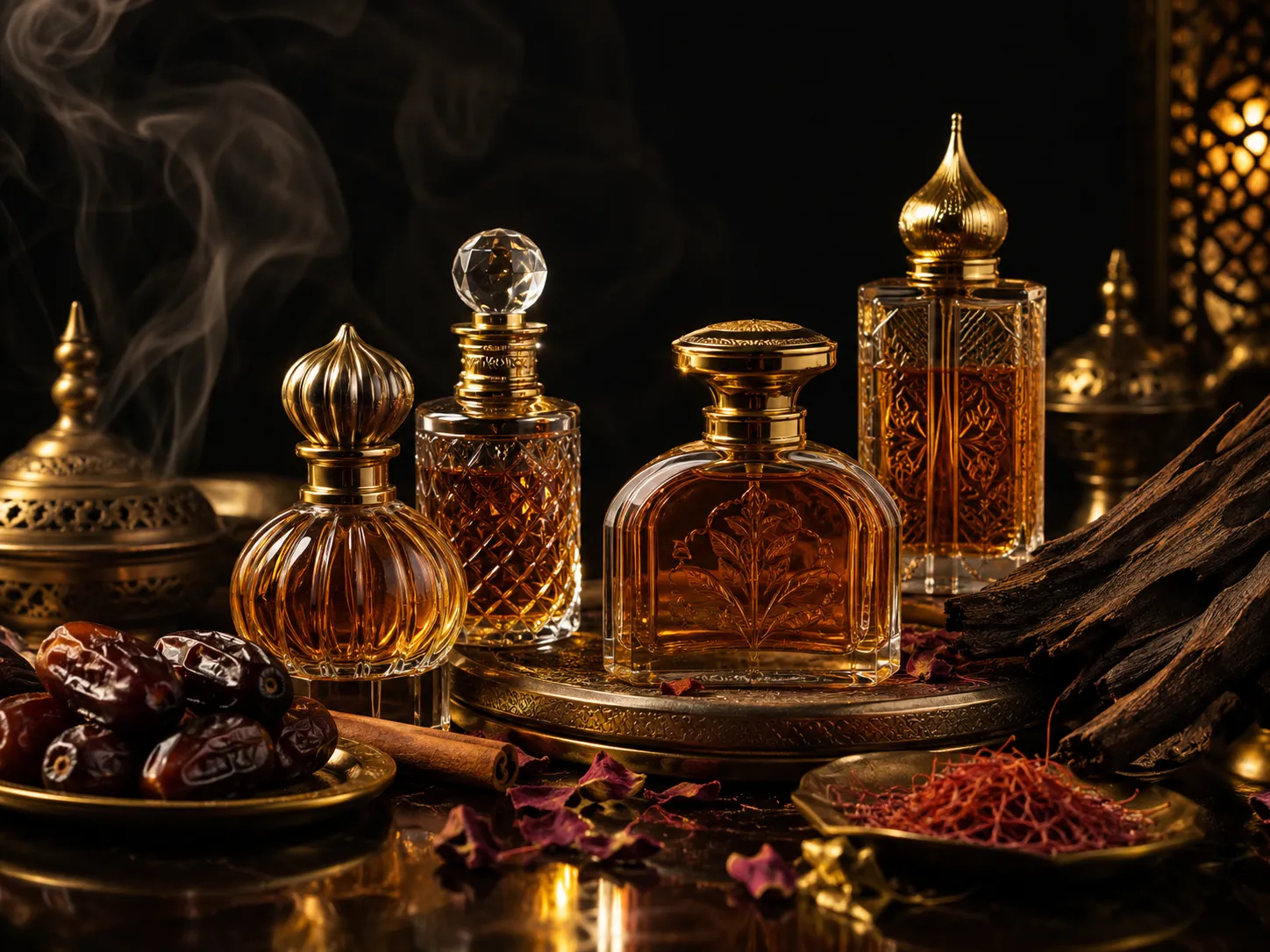
A few years ago "Arabian perfume" meant a niche corner of the market — a handful of Gulf houses most Western noses had never encountered. That's no longer true. Lattafa, Armaf, Rasasi and Orientica are now some of the most talked-about names in fragrance, and Amouage sits comfortably among the world's most respected niche houses. What ties them together isn't just performance and price — it's a genuinely different, centuries-old perfumery tradition. This is a guide to where that tradition comes from, why it smells the way it does, and where to actually spend your money — from a $7 attar to a $395 Amouage.
What "Arabian" perfumery actually is
Oud and bakhoor sit at its centre. Bakhoor is wood chips soaked in fragrant oils and resins, burned on charcoal to scent clothes, hair and rooms — a daily domestic ritual across the Gulf, not a special-occasion indulgence, and one that predates bottled perfume in the region by centuries. Attars are the other pillar: concentrated perfume oils, usually built around oud, rose or musk, worn undiluted on the skin rather than sprayed. Long before alcohol-based perfumery arrived from Europe, attars were how people in the region scented themselves, and that oil-based culture never went away.
That history is why Gulf perfumery treats a fragrance so differently from the Western one-bottle-one-signature-scent model. Layering an oud attar under an amber perfume, or finishing with a dab of pure musk, is completely normal. A mukhallat — a blended oil built around oud, rose, amber, saffron and musk — is applied more like a small ritual than an afterthought on the way out the door. None of this is a trend that arrived with Lattafa's TikTok virality; it's centuries of practice that Western fragrance culture is only now catching up with.
How it differs from Western perfumery
Western niche and designer perfumery is built around the "spritz test" — top notes matter because that's what a shopper smells on a blotter in the first thirty seconds. Middle Eastern perfumery generally doesn't optimise for that moment. These fragrances are built dense and long-wearing from the start — heavy on amber, oud, musk and resin rather than fleeting citrus — and expected to still be audible on skin after eight or ten hours, a bar most Western fragrances don't attempt. Sweetness is used more confidently too: dates, praline, caramel and honeyed amber appear constantly, where a Western perfumer might reach for something greener to stay "wearable."
An attar isn't a fragrance you spritz and forget. It's one you build, layer by layer, the way you'd choose several dishes for a meal rather than one.
The value houses: Lattafa, Armaf, Rasasi, Ajmal, Afnan
This is the tier that broke the category into the mainstream. Lattafa, Armaf, Rasasi, Ajmal and Afnan are UAE- and Saudi-based houses making genuinely well-composed fragrances — often by the same Grasse-trained perfumers who work for bigger names — at $15–$50, a fraction of designer pricing. Some lean into open homage: an Aventus here, a Baccarat Rouge 540 there. Others, like Rasasi's mukhallat lines, do something traditionally Gulf with no direct Western equivalent. Our catalogue holds over 1,400 Middle Eastern releases across these houses — genuinely the deepest value tier in fragrance right now.
Start here: the $6–$30 shelf
This is the true entry point, and it costs less than a coffee round. Al Rehab, out of Cairo, has made concentrated perfume oils since the 1970s and sells them for $5–$10 a vial — no ethanol, no spray mechanism, just oil on skin. Dalal is one of its best-loved women's blends: caramel and plum over orange blossom and jasmine, settling into a soft tonka-sandalwood-musk base that lasts far longer than the price suggests. It's a low-risk way to feel what an oriental floral oil is like before spending real money.
Dalal
Al Rehab · Attar / Oil · Amber
≈ $7 · 6ml
If you've smelled one Arabian fragrance from your feed, it's this one. Khamrah is Lattafa's biggest crossover hit — a warm, spiced gourmand built on cinnamon and nutmeg over sticky dates and praline, finishing in a resinous vanilla-tonka-myrrh base. It smells like a dessert without tipping into candy-shop territory, wears for the better part of a day, and costs about $38. It's the fragrance most responsible for turning casual shoppers onto the wider Lattafa catalogue.
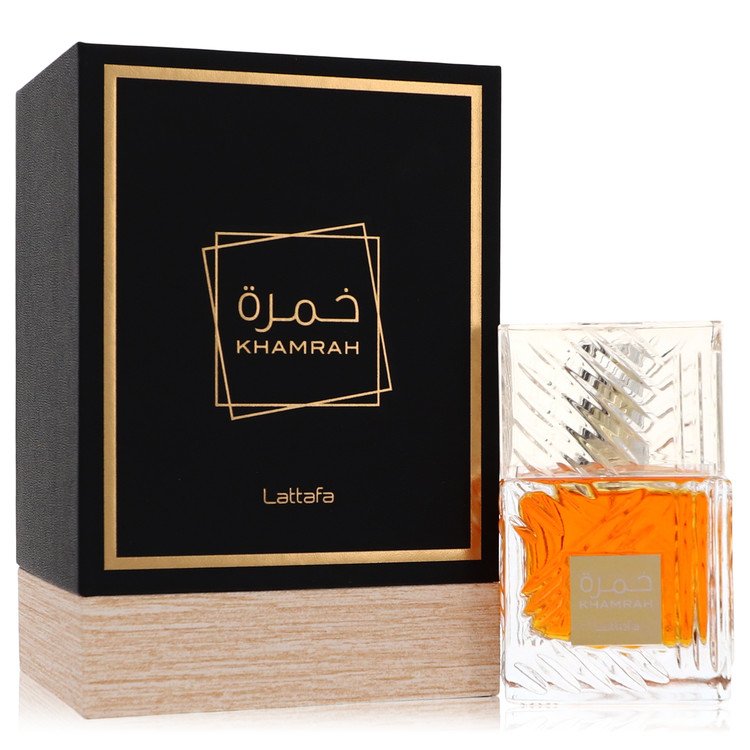
Khamrah
Lattafa Perfumes · Eau de Parfum (EDP) · Amber
≈ $38 · 3.4oz
Armaf's whole reputation rests on one bottle: Club De Nuit Intense. Its fruity-woody pineapple-and-blackcurrant-over-birch-and-ambergris profile reads, to most noses, as a close cousin of Creed's Aventus — a $400-plus niche icon — at $27. Whether you find that admirable or a bit shameless is a matter of taste, but the smell holds up on its own terms: bold, smoky-sweet, and built for compliments rather than subtlety.
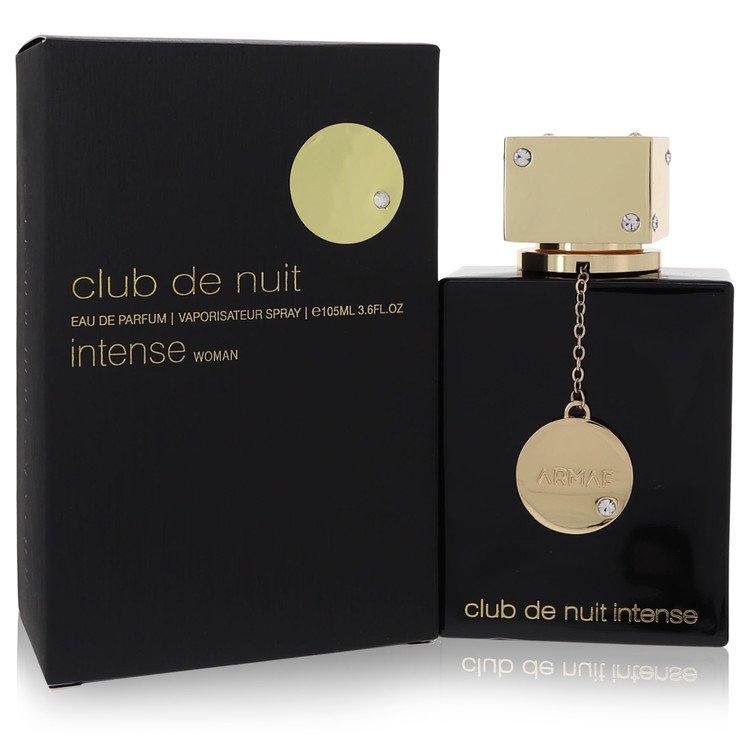
Club De Nuit Intense
Armaf · Eau de Parfum (EDP) · Woody
≈ $27
Rose, oud and saffron: the house signature
If one pairing defines Gulf perfumery to outsiders, it's rose and oud, usually lifted with saffron. It's a combination with real history — rose has been distilled in the region for over a thousand years, oud for even longer, and putting them together in a mukhallat is one of the oldest moves in Arabian perfumery, not a niche-perfumery invention. Lattafa's Bade'e Al Oud Oud for Glory does an unapologetic, inexpensive version: saffron and nutmeg over a smoky, resinous oud-and-patchouli base that lands in the same territory as some famous $300 niche ouds, for about a tenth of the price.
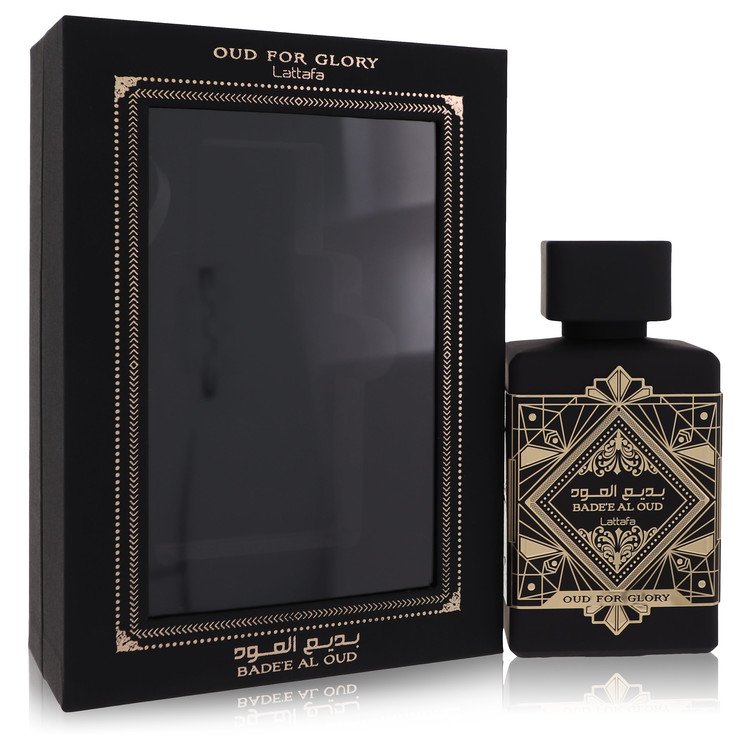
Bade'e Al Oud Oud for Glory
Lattafa Perfumes · Eau de Parfum (EDP) · Woody
≈ $25 · 3.4oz
Rasasi, one of the older UAE houses with hundreds of releases in our catalogue, does the same idea with more finesse. Al Ghalia Tawleefa is explicitly built as a modern mukhallat — smoky saffron and rose over a praline-and-akigalawood base, with real structural depth rather than just volume. At $58 it sits above the Lattafa entry tier but still well under designer pricing, and it's a good example of a Gulf house doing its own traditional form rather than chasing a Western reference.
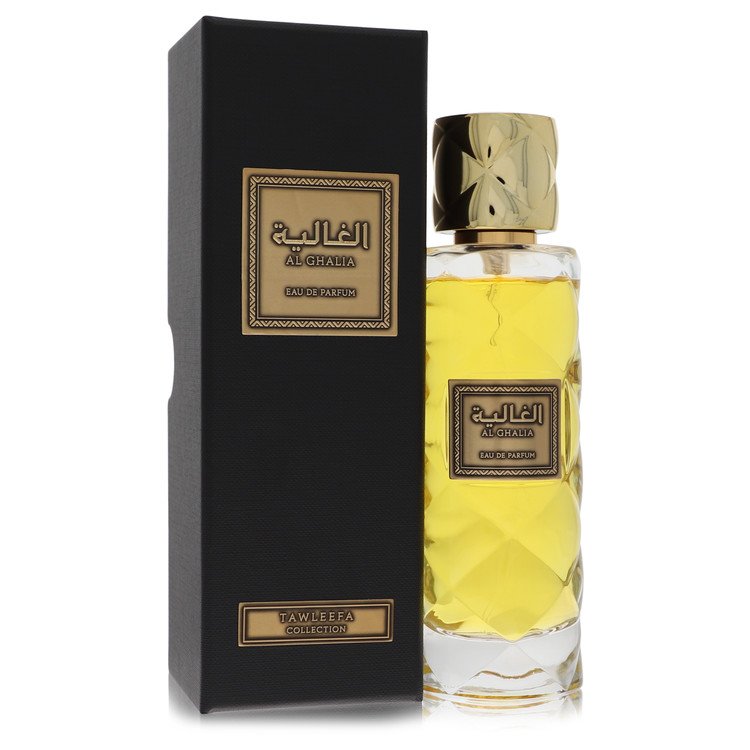
Al Ghalia Tawleefa
Rasasi · Eau de Parfum (EDP) · Amber
≈ $58
Stepping up: amber, heritage and the mid-luxury tier
Orientica sits a rung above the entry houses, and Amber Rouge is its calling card — a dense saffron-jasmine-amberwood composition frequently compared to Maison Francis Kurkdjian's $325 Baccarat Rouge 540. At around $97 it's not the cheapest fragrance here, but it's a fraction of the boutique original, and it wears with real richness rather than feeling like an approximation.
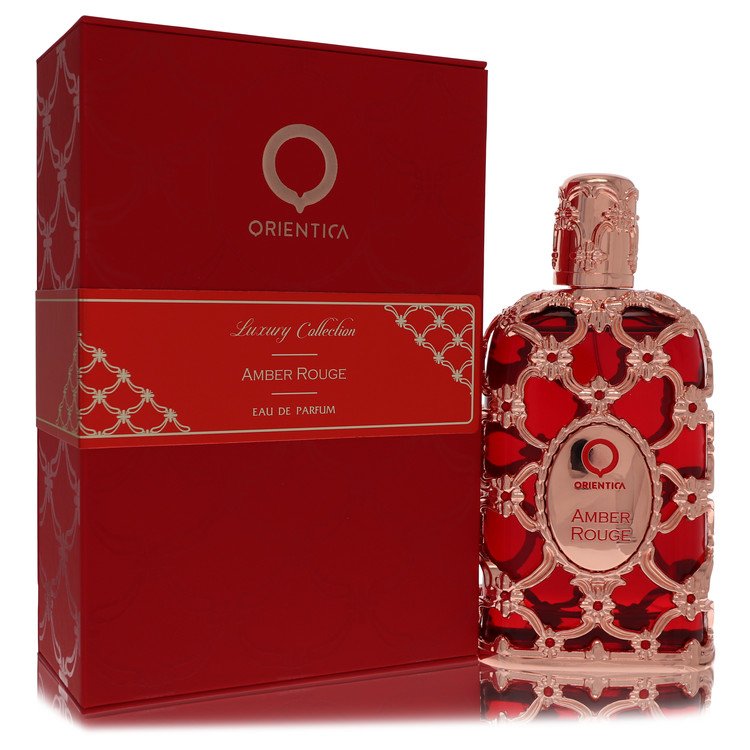
Amber Rouge
Orientica · Eau de Parfum (EDP) · Amber
≈ $97 · 5oz
Ajmal is one of the region's oldest houses, founded in Bombay in 1951 before the family relocated the business to the UAE, and its 1001 Nights (Alf Lail o Lail) is a genuine period piece: a smoky, spiced floral-woody musk composed by house perfumer Nazir Ajmal, evoking the Arabian Nights stories directly rather than chasing a Western dupe. At $25, it's proof heritage and value aren't opposites in this category.
Alf Lail o Lail (1001 Nights)
Ajmal · Eau de Parfum (EDP) · Woody
≈ $25 · 60ml
Arabian Oud is the closest thing the category has to an old-guard institution — a Saudi retail house with hundreds of physical stores across the Gulf, selling perfume the way a jeweller sells jewellery. Madawi, its flagship since 2017, was composed by French perfumers Claire Liégent and Dominique Ropion and reportedly sold over a million bottles in its first year: a lush peach-and-pineapple-blossom floral over rose, musk and patchouli. At $180 it's aimed squarely at the mid-luxury Gulf shopper rather than the Western dupe-hunter, and it shows what the category looks like once price stops being the whole story.
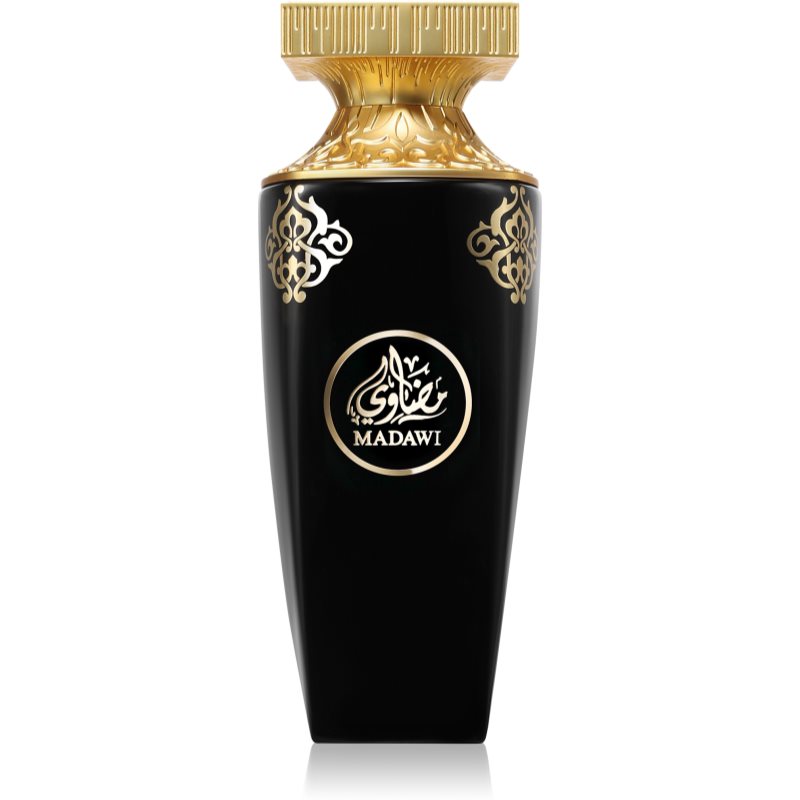
Madawi
Arabian Oud · Eau de Parfum (EDP) · Floral
≈ $180 · 90ml
The luxury end: Amouage
Amouage proves Gulf perfumery isn't inherently a value category — it's Oman's national perfume house, commissioned by the Sultan in 1983 to revive Arabian perfumery at the highest level, with Guy Robert, a noted French perfumer, composing the earliest releases. Jubilation XXV Man, made by Bertrand Duchaufour for the house's 25th anniversary, is a widely admired oriental-fougère of blackberry, honey, incense and oud — dense, dark and genuinely serious perfumery, at $395. It sits in our catalogue as niche rather than Middle Eastern by category, but it's as Arabian as anything on this list.

Jubilation XXV Man
Amouage · Eau de Parfum (EDP) · Woody
≈ $395 · 100ml
How to actually wear this stuff
If you're used to Western application — two or three sprays, done — dial it back with anything on this list, especially the attars and the Amouage-tier extraits. Start with one spray, or a single dab of oil on a pulse point, wait an hour, then reassess. "Too much" smells like a wall you walk into: cloying sweetness or raw musk with no air around it, usually from spraying like it's a Western EDT. Done properly, even the densest of these should smell rich up close and warm from a few feet away, not overwhelming.
Use the "Smells similar" section on any perfume page here to move around the catalogue once you've found a house you like — it's the fastest way to go from Khamrah to the rest of the Lattafa range, from Club De Nuit into Armaf's wider catalogue, or from Jubilation XXV Man into the rest of Amouage, without guessing blind on a $300 bottle.
Where to go next
These nine are the gateway, not the ceiling. From a $7 Al Rehab oil, this catalogue's Middle Eastern shelf runs deep enough that value-hunting and genuine collecting both have somewhere real to go. Attars sit next to $400 Amouage extraits under the same banner because they belong there: different price points inside one continuous, centuries-old tradition, not a budget imitation of European perfumery on one end and a luxury outlier on the other.