Most fragrance advice is written for the moment you put a scent on, not for the eight hours after. That's a problem in an office, because an office is not a normal environment for wearing perfume. You're sitting two feet from the same people all day, breathing recycled HVAC air that doesn't dilute anything the way an open street does, and at least one colleague probably gets genuine headaches from strong scent — some workplaces have formal scent-free policies for exactly this reason. None of that means you should smell like nothing. It means the calculation is different from a night out.
This isn't really an article about which fragrances are 'good' in the abstract — plenty of excellent fragrances are wrong for a desk job. It's about a specific, narrow brief: something that reads as clean and put-together to you and to nobody three metres away, that survives a full working day without a midday reapplication, and that never becomes the thing your desk neighbour has to mention to HR.
Longevity and projection are not the same thing
This is the single most useful distinction in fragrance and the one beginners conflate most. Longevity is how long you can still smell it on your own skin. Projection (or sillage) is how far it travels from your body and how strongly other people pick it up without leaning in. What you want at a desk is high longevity and low projection — a 'skin scent' that's still there at 5pm but only detectable if someone gets genuinely close. What you don't want is the reverse: something that's loud at 9am, fades to nothing by lunch, and leaves a trail in every meeting room you've walked through in between. Loud-and-short is the worst combination for an office; quiet-and-long is the best.
The single biggest lever you control isn't which bottle you buy — it's how many times you press the sprayer. One or two sprays on skin (not four, not a full-arm soak) is enough for almost any well-made fragrance to last a working day at office-appropriate volume. Spray count discipline matters more than the fragrance you pick. A 'beast mode' scent at one spray can behave; a gentle, well-mannered scent at six sprays can still clear a lift. If you only take one piece of practical advice from this piece, take that one.
Safe families, and the ones to leave for the weekend
Clean citrus, light woods, soft musks, tea accords, iris and gentle aromatics (lavender, clary sage, soft herbs) are the safest ground because they're all things people already associate with being clean — soap, fresh laundry, a cup of tea — rather than with 'perfume' as a category. They tend to sit close to the skin by nature, they photograph as neutral rather than as a statement, and even when they do project slightly, what travels reads as pleasant ambient freshness rather than a declaration.
The riskier families are the ones built to be noticed from across a room: heavy oud, big sweet gourmands (dessert-like vanilla, caramel, chocolate accords), loud ambers, and aggressive ozone-blast aquatics. None of these are bad fragrances — some are genuinely excellent — they're simply built for a different job. And this is the honest, slightly unfashionable point worth making plainly: an expensive, critically adored 'beast mode' fragrance is the wrong tool for a shared office regardless of how good it is. Quality and appropriateness are separate axes. The most impressive fragrance in your collection can still be the worst choice for a Tuesday standup.
The goal at a desk isn't to be noticed. It's to be remembered as 'that person always smells nice' by someone who could never actually tell you why.
Missoni Wave Mini — the cheapest sensible option
At six dollars this is barely a financial decision, which makes it a reasonable way to test the whole 'light and clean' theory before spending real money. It opens on sea notes, citrus and mandarin, moves into a herbal lavender-rosemary-clary sage heart, and settles into a soft vetiver-patchouli-oakmoss base with a touch of vanilla orchid. Nothing about it is loud — it reads as freshly showered rather than as cologne, which is precisely the point.
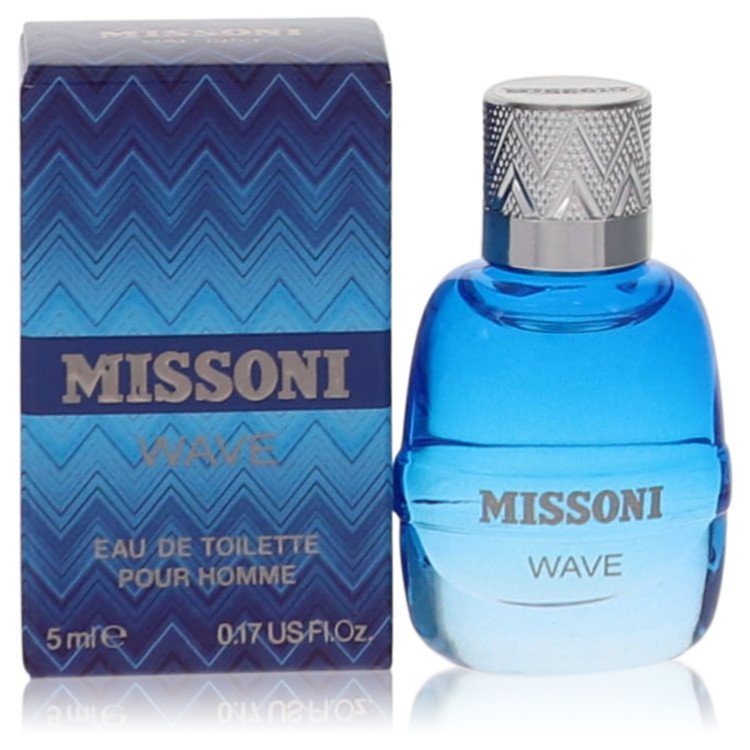
Wave Mini
Missoni · Eau de Toilette (EDT) · Fresh
≈ $6
Hermès H24 — cold, mineral, deliberately minimal
Christine Nagel built H24 around clary sage, narcissus and rosewood, with a synthetic molecule called sclarene giving it a cool, faintly metallic edge instead of warmth. It's the most modern-smelling entry on this list — abstract rather than 'fruity' or 'woody' in the usual sense — and that abstraction is exactly why it stays out of everyone's way. There's nothing sweet or animalic for a colleague to react to; it just reads as quietly futuristic and clean.
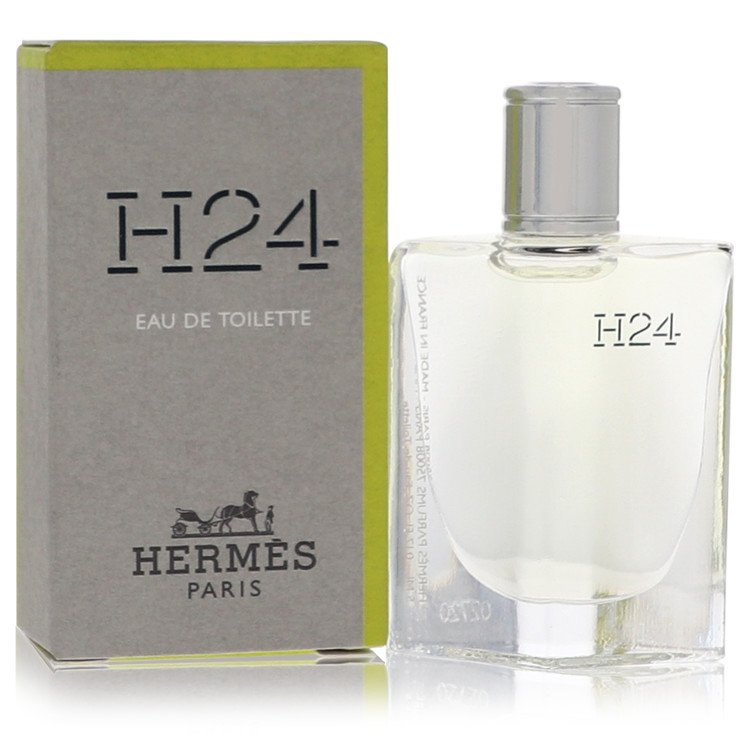
H24 Mini
Hermès · Eau de Toilette (EDT) · Fresh
≈ $16
Lattafa Suqraat — the aromatic-fresh workhorse
Widely worn as a budget-friendly take on Giorgio Armani's Acqua di Giò Profumo, Suqraat opens on bergamot and ginger, runs through a lavender-and-violet-leaf heart, and dries down to a clean musk-sandalwood-amber base. It's a genuinely useful shape for an office scent: bright without being sharp, a little warm without tipping into sweet, and priced low enough that you can be generous with a bottle without worrying about running through it. The aromatic-fresh lane it sits in — the same one as classic fougères — is one of the safest office categories there is.
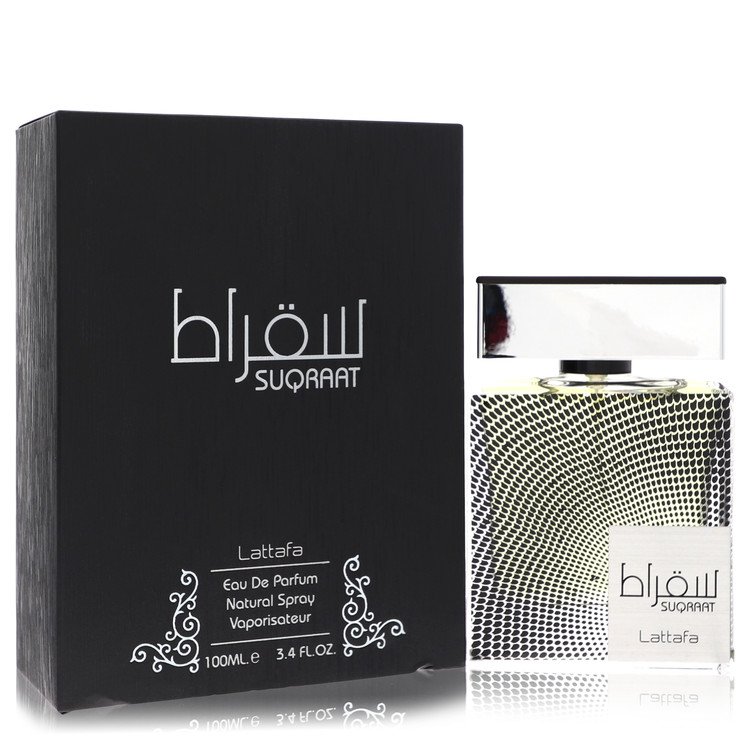
Lattafa Suqraat
Lattafa Perfumes · Eau de Parfum (EDP) · Fresh
≈ $17
Acqua di Parma Colonia Pura — minimalism from a house that invented the genre
François Demachy's 2017 reworking of the house's signature Colonia strips the citrus-cologne format down to its essentials: bergamot and orange up top, a luminous jasmine-narcissus heart, and a cedar-and-white-musk base that keeps the whole thing sheer. It's floral in structure but doesn't smell like a 'floral' — it smells like a very good bar of soap someone spent decades refining. Airy, effortlessly wearable, and one of the most convincingly office-safe fragrances any major house makes.
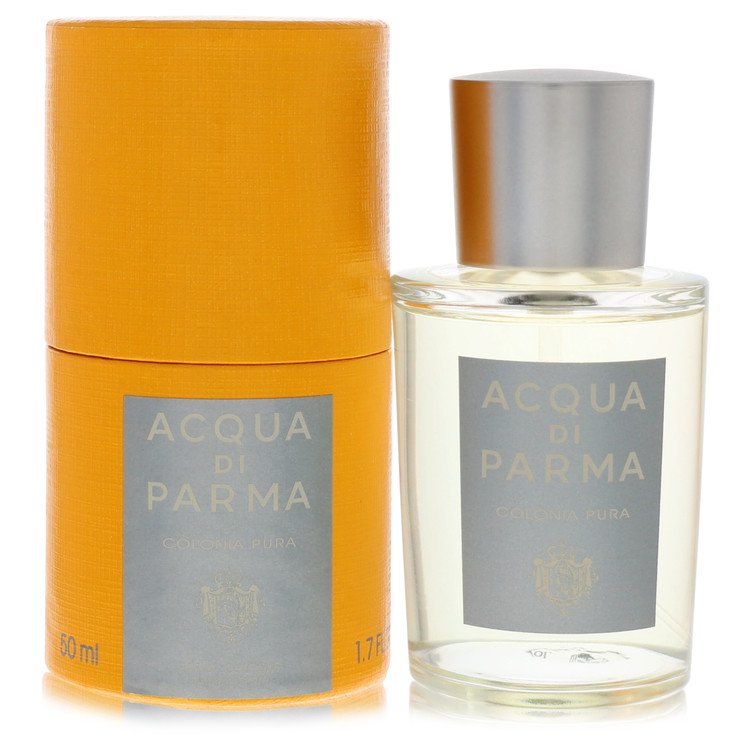
Colonia Pura
Acqua di Parma · Eau de Cologne (EDC) · Floral
≈ $48 · 1.7oz
Bvlgari Eau Parfumée au Thé Blanc — the tea classic
If you want the tea-accord recommendation properly represented, this is the reference point. White tea, artemisia and bergamot up top, a soft black-pepper-and-cardamom heart, and a musky, faintly woody base with jasmine and rose underneath. It's lighter and whiter than Bvlgari's original green-tea cologne, built by Jacques Cavallier Belletrud specifically to be quieter and more transparent — genuinely unisex, genuinely inoffensive, and one of the few fragrances that smells simultaneously like a beverage and like nothing at all.
Eau Parfumée au Thé Blanc
Bvlgari · Eau de Cologne (EDC) · Fresh
≈ $75 · 150ml
Prada Infusion d'Iris Cedre — iris done dry and quiet
Iris is a genuinely underused note for office wear — powdery, cool, a little melancholy, and almost never loud. Daniela Andrier's Cedre version of Prada's Infusion d'Iris pairs Tunisian neroli with an iris heart, then dries the whole thing down with Virginia cedar, benzoin and a whisper of incense. It's warmer and woodier than the original Infusion d'Iris, but still fundamentally a close, powdery scent rather than a projecting one — the incense reads as texture, not as smoke filling the room.
Infusion d'Iris Cedre
Prada · Eau de Parfum (EDP) · Woody
≈ $125 · 100ml
Chanel Chance Eau Tendre — the gentlest version of a loud family
The original Chance is a fairly assertive fruity-floral; Eau Tendre is the flanker built to be its opposite. Quince and grapefruit up top, rose and jasmine in the heart, all of it resting on a clean white musk base with almost nothing else added. It's proof that a big designer floral house can build something genuinely soft when that's the brief — this is the pick for anyone who wants a recognisable, well-made feminine fragrance without the volume that usually comes attached to the category.
Chance Eau Tendre
Chanel · Eau de Parfum (EDP) · Floral
≈ $160 · 100ml
Escentric Molecules Molecule 02 — the purest 'skin scent' argument
Geza Schoen's Molecule 02 is built from a single ingredient — Ambroxan, a synthesised ambergris substitute — and nothing else. There's no top note, no heart, no dry-down in the traditional sense, just a warm, velvety, faintly salty radiance that behaves like it's coming from your own skin rather than a bottle. It's the extreme case study for everything this article has been arguing: enormous longevity, almost zero projection, and a reputation among wearers for being the fragrance people compliment without being able to say what they're smelling. Not for everyone — some people find it too abstract to feel like 'a perfume' at all — but it's the clearest possible demonstration of skin-scent logic.

Molecule 02
Escentric Molecules · Eau de Toilette (EDT) · Amber
≈ $170 · 100ml
The honest summary
If you take nothing else from this: spray count matters more than the bottle, longevity and projection are different things and you want the first without the second, and the fragrance you save for a night out is not a compliment to your colleagues if you wear it to a Tuesday standup. None of the eight above will get you noticed across a room. That's the entire point — they're built to get you noticed by the one or two people who end up close enough to actually smell them, which, at a desk, is the only audience that counts.