Spray a dense amber in July and by lunchtime it can feel like a headache you're wearing. That's not a coincidence, and it isn't really about taste — it's chemistry, and it's the same chemistry that makes a light citrus vanish in December. A fragrance only reaches your nose once its molecules have evaporated off your skin, and evaporation is a function of temperature. Heat speeds it up dramatically: warm skin pushes molecules into the air faster, so everything in a composition — top, heart and base alike — runs its course sooner and louder than it would in the cold.
That acceleration doesn't affect every material equally, which is the actual problem. Light, volatile molecules — citrus oils, aldehydes, green leafy notes — were built to evaporate quickly anyway, so heat just makes them brighter and shorter-lived, which is usually fine. Heavy, resinous materials — labdanum, opoponax, dense vanilla, oud, thick musks — were built to hold back and release slowly over hours. Push them into 30°C air and they stop slow-releasing; they dump. Projection balloons, sweetness turns syrupy, and a composition that read as warm and inviting in a cold room reads as cloying and headache-inducing on a train platform in August.
That's the whole argument for a summer wardrobe. Amber, oud and thick vanilla aren't bad fragrance materials — they're the wrong tool for a season that's already doing half their job for them by supplying the heat they need to bloom. What summer rewards instead is compositions built from materials designed to be light and immediate, so heat pushes them toward 'crisp' rather than 'overwhelming'. That's a genuinely different design brief, which is why the best summer scents rarely resemble the best winter ones at all, even from the same house.
The note families that actually work in the heat
Citrus is the obvious starting point — bergamot, lemon, mandarin, grapefruit — because it's volatile by nature and heat only sharpens that. Aquatic and marine accords (sea notes, calone, ozonic effects) do something similar in a cooler key: they're synthetic, deliberately thin, and read as 'just out of the shower' rather than 'wearing perfume'. Green notes (galbanum, fig leaf, crushed stems) and light aromatics (lavender, rosemary, mint, basil) add texture without adding weight, which is exactly what a hot day rewards. Tea, green tea especially, sits in the same register: bitter, cool and almost weightless on skin.
Fig deserves its own mention — it's simultaneously green, milky and faintly woody, and it behaves beautifully in heat because none of its facets are dense enough to turn heavy. Clean musks, the synthetic, laundry-adjacent kind rather than the animalic kind, are summer's equivalent of what amber does in winter: the quiet, close-to-skin base that holds a composition together without adding bulk. Airy florals (freesia, muguet, orange blossom used sparingly) can work too, but only at the sheer end of the spectrum — anything indolic or heavy, tuberose or ylang-ylang in volume, tends to turn heat into a liability rather than an asset.
Humid heat and dry heat are not the same problem
Not all summer heat behaves the same way, and it's worth separating the two before buying anything. Dry heat evaporates a fragrance fast and cleanly — intense projection for a short window, then very little, because there's no moisture in the air to slow the process. Humid heat behaves differently: high humidity actually slows evaporation at the molecular level, much like cold does, but sweat does something cold weather never has to contend with — it physically washes fragrance off the skin and can turn sweet, gourmand notes sour within an hour. The practical result is that humid-climate summers usually want something crisper and slightly more assertive than dry-climate ones, because there's more competition from your own skin.
Dry heat burns a fragrance off fast and clean; humid heat lets it linger just long enough for your own sweat to start arguing with it.
Why the eau de cologne format exists at all
The eau de cologne concentration — typically 2-5% fragrance oil, built almost entirely on citrus and aromatic materials — wasn't invented as a cheaper tier below eau de parfum. It was invented, in 18th-century Cologne, specifically as a hot-weather format: something splashed on generously, worn lightly and reapplied through the day rather than sprayed twice and left to slow-cook. Acqua di Parma's Colonia, structurally unchanged since 1916, is the clearest surviving example of that brief — lemon, orange and Calabrian bergamot over a lavender-rose heart, closing on a clean vetiver-sandalwood base. Nothing in it is trying to last eight hours, and that's the point.
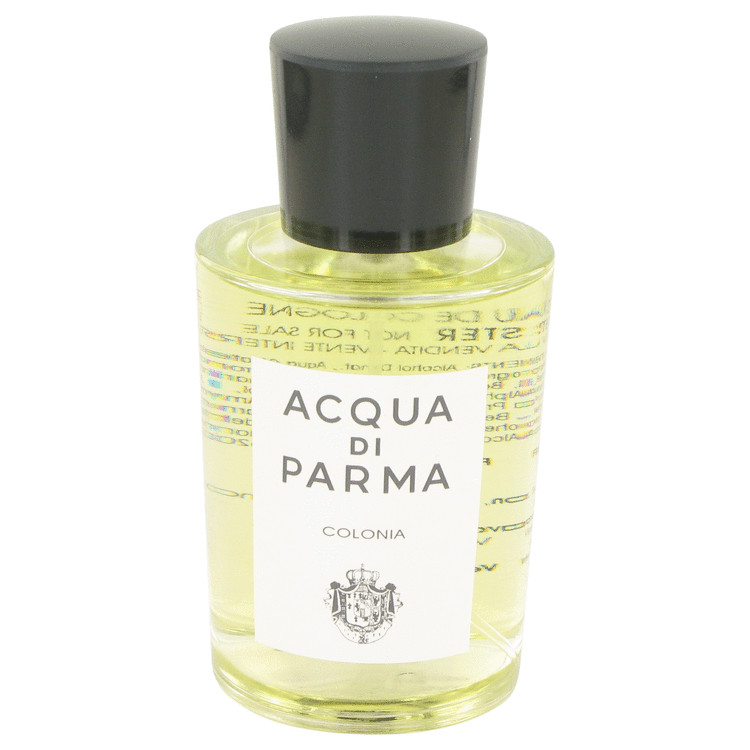
Colonia
Acqua di Parma · Eau de Cologne (EDC) · Fresh
≈ $81 · 3.4oz
Two budget aquatics that started the genre
Davidoff Cool Water (1988) and Calvin Klein CK One (1994) are both cheap enough to buy without thinking twice, and both are still doing exactly what they were built to do decades on. Cool Water opens on sea notes, mint and lavender before a geranium-neroli heart settles into musk, oakmoss and a whisper of tobacco — Pierre Bourdon more or less invented the modern aquatic fougère with this bottle, and every marine 'clone' since is chasing its shadow. CK One, by Alberto Morillas and Harry Fremont, works the other pole: citrus and green tea over a sheer floral heart, drying down to a soft musk-amber haze that smells less like perfume and more like fresh laundry. Both wear off in under two hours, and neither seems to mind.
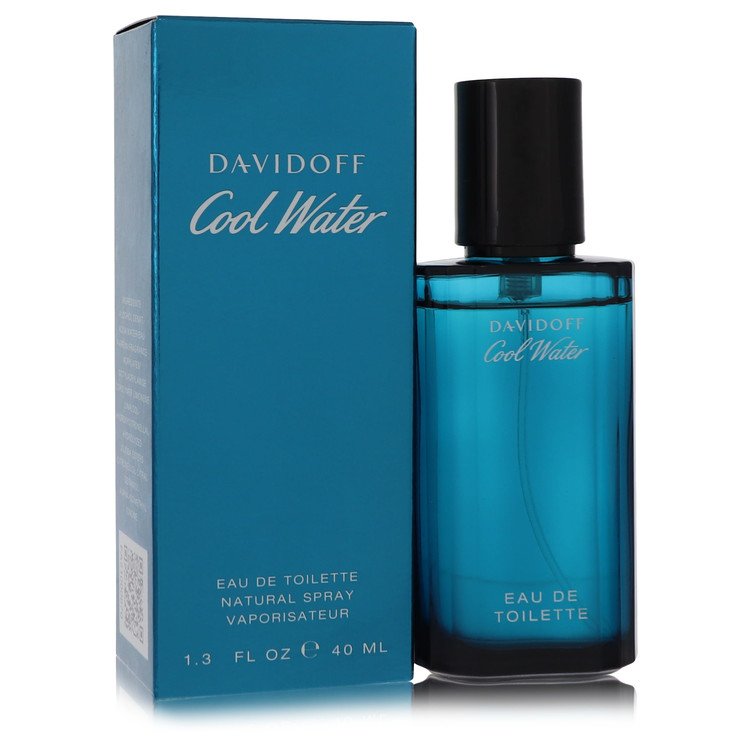
Cool Water
Davidoff · Eau de Toilette (EDT) · Fresh
≈ $19 · 1.35oz
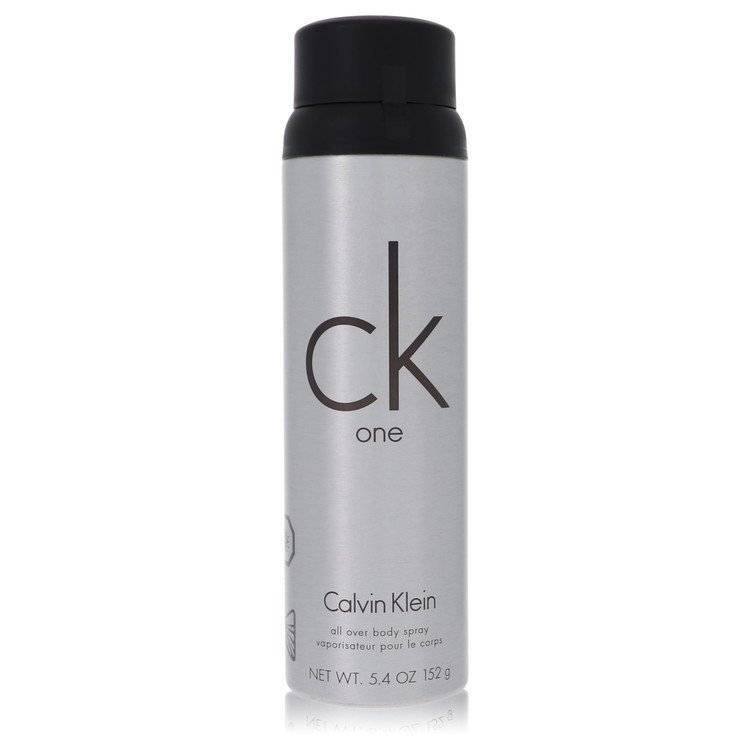
CK One
Calvin Klein · Eau de Cologne (EDC) · Fresh
≈ $14 · 5.2oz
Dolce & Gabbana Light Blue — overexposed, but it earns it
Light Blue is the fragrance equivalent of a song you've heard in every café for twenty years: genuinely everywhere, and that overexposure has made it easy to dismiss. It's still a well-built summer citrus underneath the familiarity. Tart Granny Smith apple and Sicilian lemon open it, jasmine and bamboo keep the heart transparent rather than sweet, and a clean cedar-musk base means it never gets heavier than a t-shirt. It won't make anyone think you have unusual taste — that was never really the job — but at $34 it's a genuinely pleasant, inoffensive hot-weather citrus, and most of what it gets criticised for is popularity rather than a real flaw.
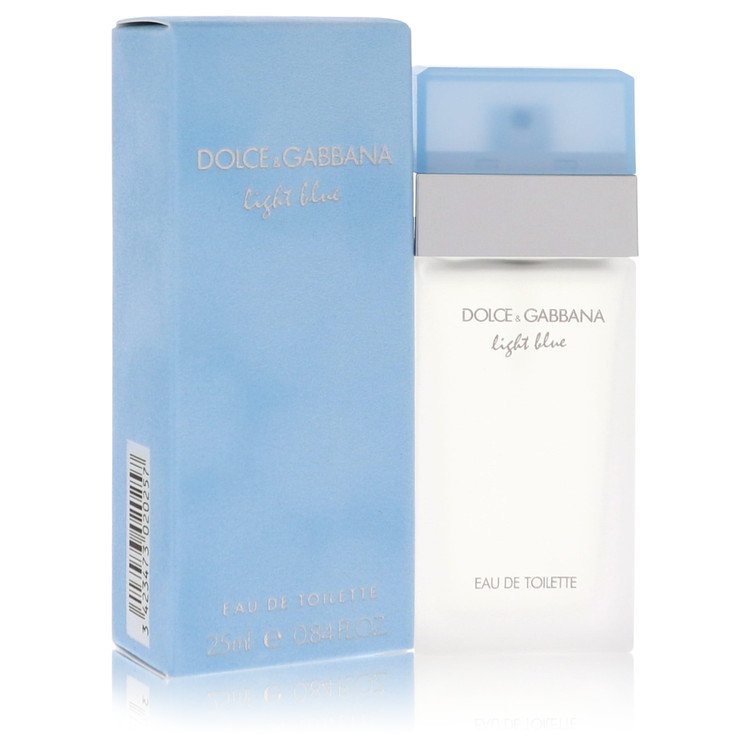
Light Blue
Dolce & Gabbana · Eau de Toilette (EDT) · Fresh
≈ $34 · 8oz
Tea and fig: the two most underrated summer families
Bvlgari's Eau Parfumée au Thé Vert (1992) is the fragrance that put green tea on the map, and Jean-Claude Ellena's original still reads as one of the most weather-appropriate things a house has ever released: bergamot and cardamom over jasmine and rose, but the whole thing is held cool and faintly bitter by a green-tea-and-cedar base rather than allowed to turn sweet. Diptyque's Philosykos (1996) does an equivalent job with fig — green fig leaf and ripe fig fruit over a milky-coconut heart, closing on the fig tree's own woody trunk rather than a sweetened base. Both are unisex, both are decades old, and both have aged better than almost anything sweeter released since.
Eau Parfumée au Thé Vert
Bvlgari · Eau de Cologne (EDC) · Fresh
≈ $75 · 150ml
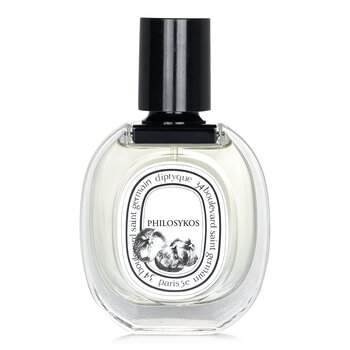
Philosykos
Diptyque · Eau de Parfum (EDP) · Woody
≈ $200 · 75ml
Middle-eastern houses do have summer scents — you just have to look past the ouds
Middle-eastern perfumery's reputation is built on oud, amber and heavy florals, which makes it easy to assume the whole category skips summer entirely. It doesn't. Afnan's Turathi Blue is a straightforward aquatic — bergamot and mandarin over amber and woods, with a genuinely cold, clean-musk finish that's drawn comparisons to pricier designer aquatics despite costing a fraction of the price. Al Rehab's Silver goes even further down the price scale: mandarin, bergamot and green tea over a soft rose-jasmine heart and a clean woody musk, sold as a $7 oil that's been informally compared to Creed's Silver Mountain Water for its soapy, sparkling character. Neither is a masterpiece, but both prove the region's catalogue has range beyond what usually gets exported as 'oud culture'.
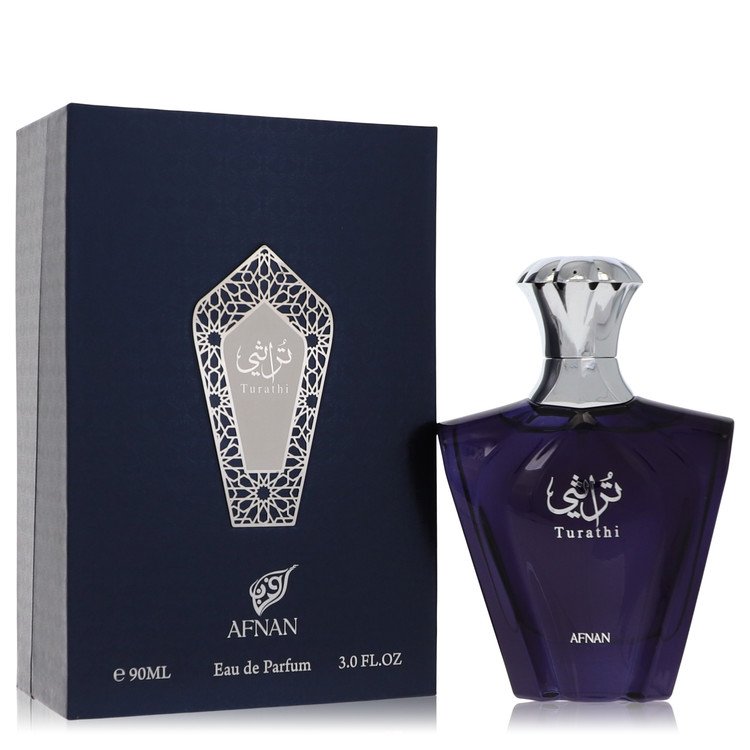
Turathi Blue
Afnan · Eau de Parfum (EDP) · Fresh
≈ $34 · 3oz
Silver
Al Rehab · Attar / Oil · Fresh
≈ $7 · 6ml
The trade-off, and how to wear this stuff
The honest cost of all this is longevity. Everything on this list will wear off faster in summer heat than a dense amber would in winter cold — that's not a flaw in the fragrance, it's the same physics working in reverse, and it's a fair trade for not smelling overwhelming by 11am. The practical fix isn't to spray more; it's to spray in the right places and reapply. Pulse points — wrists, neck, behind the ears — work because they're warm and close to the nose, and a light reapplication after lunch does more good than doubling the dose in the morning ever will.
If you want the historical blueprint, start with Acqua di Parma Colonia and understand why eau de cologne was built for exactly this weather. If you want proof the genre doesn't need a big budget, Cool Water and CK One have been doing the job since before most readers were born. Light Blue is the safe, slightly overexposed crowd-pleaser; the Bvlgari and Philosykos are the two most quietly sophisticated picks here; and Turathi Blue and Al Rehab Silver show that middle-eastern perfumery has a hot-weather register too, at a fraction of the price of any of the above. Two light sprays, reapplied once, will always beat four sprays and a slow-cooked afternoon.