Spray the same bottle in July and in January and you will swear they're different fragrances. That's not your nose playing tricks — it's chemistry. A perfume only exists to you once its molecules have left the liquid and reached your nostrils, and the rate at which that happens depends almost entirely on temperature. Warm air holds more energy, so molecules escape the skin's surface fast: that's why a linear, citrus-heavy cologne feels loud and immediate on a hot afternoon. Cold air does the opposite. It suppresses evaporation, so the same molecules cling to your skin far longer before they lift off at all.
Body heat is the other half of the equation. Fragrance doesn't drift off a cold surface on its own — it needs the warmth of your skin to vaporise it, and in winter you're radiating that heat into a coat, a scarf and freezing air rather than into an open room. Less heat reaches the fragrance, so less of it escapes as vapour. The result is two-fold: everything projects less in absolute terms, and the light, volatile top notes — citrus, aquatics, delicate green things — are the first casualties, because they were only ever holding on by being easy to evaporate in the first place. Heavier molecules, the resins and woods and musks that sit low on the volatility scale, don't suffer the same fate. They were built to take longer to reveal themselves, and cold weather simply extends that timeline rather than erasing it.
That's the whole argument for a winter fragrance wardrobe. It isn't about a scent being 'warm' in the emotional, cosy-jumper sense, though that helps too — it's about choosing something whose evaporation curve still works when the ambient temperature is fighting against it. A light citrus cologne in December isn't unpleasant, it's just wasted: most of what makes it interesting never gets the thermal energy to leave the bottle-shaped space around your wrist. A dense amber or a smoky incense, on the other hand, was designed to unfurl slowly regardless of the weather, and cold air just gives it more time to do that close to the skin, which is often exactly where you want it in winter.
The note families that actually work in the cold
Amber and labdanum sit at the centre of every good winter fragrance for a reason: they're heavy, low-volatility materials that read as warm on paper and behave as warm in practice, releasing slowly rather than blasting and fading. Resins (frankincense, myrrh, benzoin, opoponax) work the same way and add a smoky, almost edible facet — think of incense smoke curling upward rather than dispersing instantly, which is a reasonable mental model for how these notes behave on skin in the cold. Oud and heavy woods (sandalwood, cedar, guaiac) are dense enough to survive the suppressed evaporation and give a fragrance backbone once the top notes have quietly given up.
Vanilla, tonka bean and warm spices (cinnamon, cardamom, saffron, black pepper) round the picture out — they're sweet and immediate enough to still register at close range even when projection is down, which matters because in winter most people are smelling you from a foot away, not across a room. Leather and tobacco add a dry, animalic counterweight so things don't tip into dessert territory. None of this means summer notes are 'wrong' in winter — plenty of people layer a citrus top note over an amber base specifically because the citrus fades fast and lets the base take over, which is arguably the most efficient use of a fragrance's evaporation curve you can make.
Indoors and outdoors are two different winters
Here's the wrinkle most seasonal guides skip: your projection doesn't just change between summer and winter, it changes between the street and the room you walk into. Outdoors in the cold, sillage is genuinely suppressed — less heat, less evaporation, a scarf or coat physically blocking the plume from reaching anyone else. Indoors, with central heating running, you get a second and very different effect: warm, dry, recirculated air that can make a fragrance bloom hard and fast, sometimes harder than it would outdoors in summer, because indoor heating pushes localised temperature up without the ventilation that a summer breeze provides. A fragrance that felt tasteful on the walk to the office can suddenly fill a meeting room an hour later.
The same bottle can be a whisper on the pavement and a shout in the lift thirty seconds later — that's not inconsistency, that's just how amber behaves indoors in winter.
The practical upshot is to spray a little more conservatively in winter than instinct suggests, especially with dense ambers and ouds — two sprays that feel invisible on a freezing commute can turn heavy once you're sat at a desk under a radiator for six hours. Fabric matters too: wool and cashmere hold fragrance in their fibres far better than a t-shirt does in summer, so a scarf sprayed lightly in the morning can still be perceptible at 6pm, which is either a feature or a problem depending on how strong you went.
Tom Ford Tobacco Vanille — the benchmark, if you can stomach the price
This is the fragrance most "best winter scent" conversations end up at, and it earns the reputation. Tobacco leaf and spicy top notes give way to a heart of tonka bean, tobacco, vanilla and cocoa, with dried fruits and woody notes underneath — every one of those is a low-volatility, slow-release material, which is exactly why it reads as cosy rather than sharp. It's genuinely unisex, genuinely decadent, and genuinely expensive. Worth smelling at least once to understand what everything cheaper is chasing.
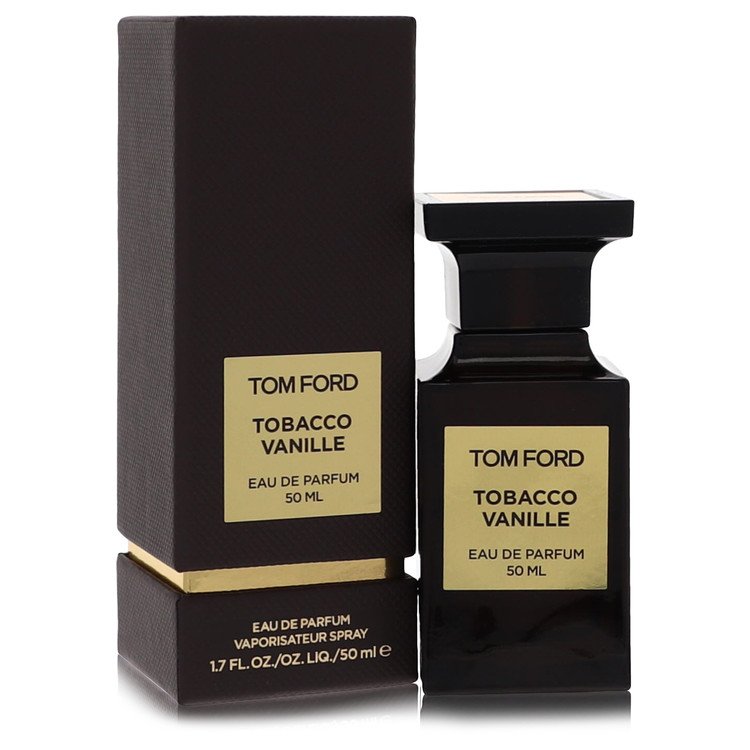
Tobacco Vanille
Tom Ford · Eau de Parfum (EDP) · Amber
≈ $275 · 1.7oz
Amouage Epic Man — incense with real weight behind it
If Tobacco Vanille is winter as dessert, Epic Man is winter as a Silk Road caravan. Pink pepper, frankincense, saffron, nutmeg and cardamom open it, myrrh and geranium carry the middle, and it settles into a genuinely smoky base of incense, oud, leather and castoreum. This is not a subtle fragrance and it isn't trying to be — it's the pick for someone who wants a proper cold-weather statement scent rather than a polite one, and the resinous, animalic base is built to last through a whole freezing evening.
Epic Man
Amouage · Eau de Parfum (EDP) · Woody
≈ $375 · 100ml
Guerlain Shalimar — the original winter oriental
Released in 1925 and still one of the clearest demonstrations of why amber orientals became a winter staple in the first place. Bergamot and lemon flash briefly at the top before the fragrance sinks into iris, jasmine and rose, then a genuinely dense base of vanilla, incense, opoponax, leather, tonka bean and civet. It's powdery, smoky and a little animalic all at once — a fragrance built entirely around slow-release materials, decades before anyone talked about volatility curves. If you want to understand the amber-oriental template that half this list borrows from, start here.
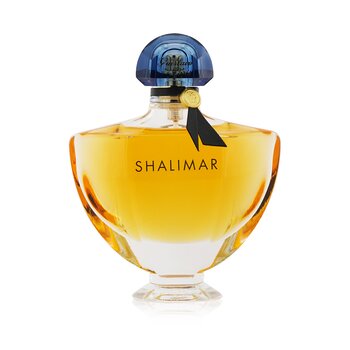
Shalimar
Guerlain · Eau de Parfum (EDP) · Amber
≈ $160 · 90ml
Ferrari Uomo — proof a leather-amber doesn't need a big budget
Alberto Morillas built this on a genuinely mature idea: bergamot and juniper up top, then leather, nutmeg and Virginia cedar in the heart, resting on tonka bean, French labdanum and patchouli. That's the exact structure a much pricier niche leather would use, and at around $24 for a full bottle it's one of the best-value winter scents in the whole catalogue. It reads boardroom-appropriate rather than loud, which makes it the pick if you want cold-weather depth without cold-weather theatre.
Ferrari Uomo
Ferrari · Eau de Toilette (EDT) · Woody
≈ $24 · 100ml
Al Haramain Amber Oud Tobacco Edition — the value tobacco-gourmand
A far cheaper cousin of the Tobacco Vanille idea, and a genuinely good one. Tobacco leaf, cinnamon, black pepper and ginger open it, vanilla, cloves, star anise, tonka bean, cocoa and incense fill the heart, and it dries down into tobacco, dried fruits and woody notes. It's sweeter and more overtly spiced than the Tom Ford, but the structure — spice up top, gourmand-resinous weight underneath — is doing the same job for a fraction of the money. A legitimately good starting point if you're not ready to spend Tobacco Vanille money to find out whether you like the genre.
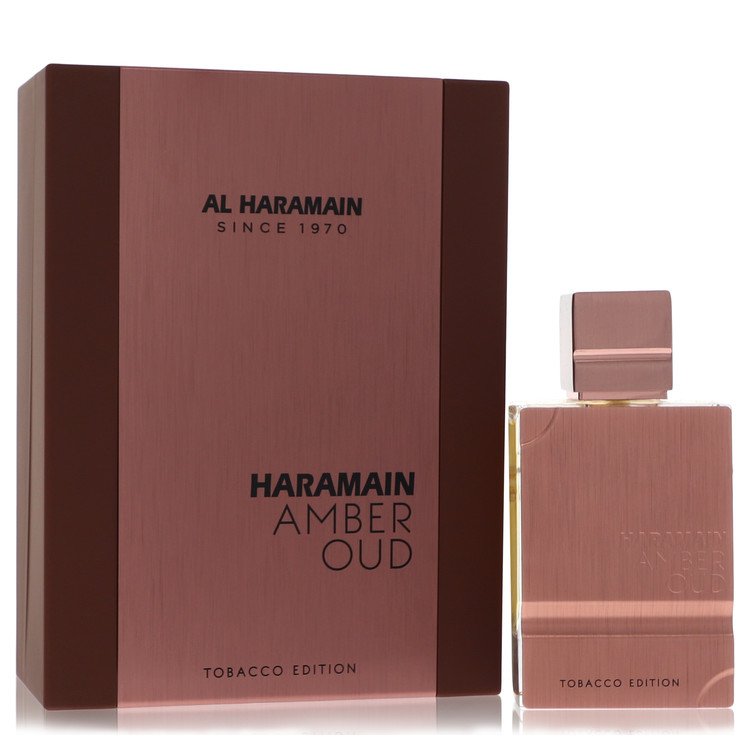
Amber Oud Tobacco Edition
Al Haramain · Eau de Parfum (EDP) · Amber
≈ $38
Baccarat Rouge 540 and the Zimaya Bouquet Red question
Francis Kurkdjian's Baccarat Rouge 540 is built almost entirely from slow, radiant materials — saffron and jasmine at the top, then amberwood and ambergris, resting on fir resin and cedar — which is exactly why it became the fragrance every affordable amber has spent a decade trying to approximate. Afnan's Zimaya Bouquet Red is the most direct budget answer in this catalogue: saffron, musk and jasmine over an ambergris-amberwood heart, with lavender, balsam fir and cedar underneath. It isn't identical — nothing at $20 fully replicates a $400 fragrance — but the shared amberwood-and-resin backbone means it does the same cold-weather job of releasing warmth slowly rather than dumping scent all at once.
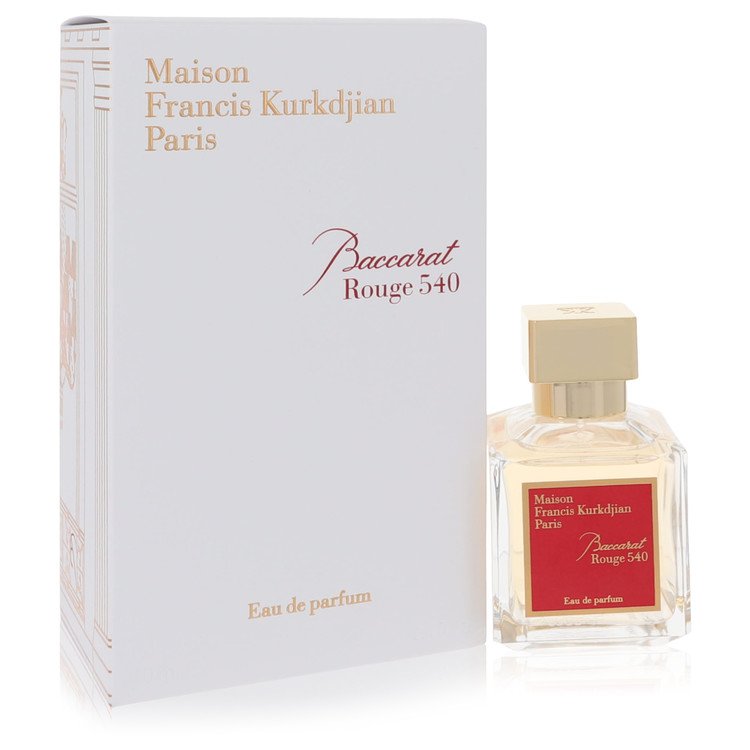
Baccarat Rouge 540
Maison Francis Kurkdjian · Eau de Parfum (EDP) · Amber
≈ $400 · 2.4oz
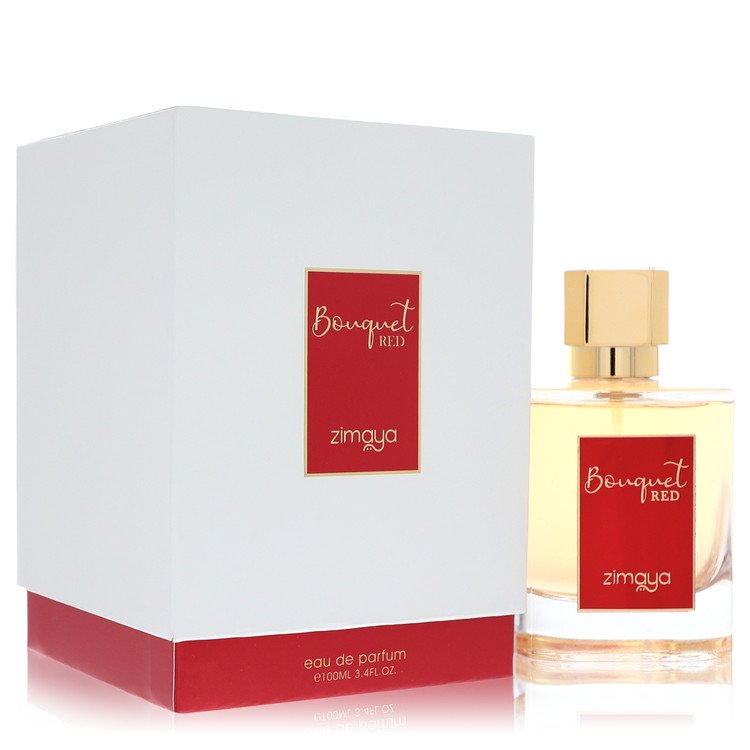
Zimaya Bouquet Red
Afnan · Eau de Parfum (EDP) · Amber
≈ $20
How to choose
If money's no object and you want the single best-known reference point for the whole genre, Tobacco Vanille earns its price. If you want a serious, smoky statement fragrance for genuinely cold evenings, Epic Man delivers weight that most designer scents can't match. Shalimar is the one to try if you want to understand where this entire family of fragrance came from. And if you're building a winter wardrobe on a real budget, Ferrari Uomo, the Al Haramain tobacco and the Zimaya amber all prove that the physics — dense, low-volatility materials that release slowly in the cold — doesn't care what the bottle costs. Use the "Smells similar" section on any of these pages to keep pulling the thread; the amber-and-resin family runs deep, and half the fun of winter is finding the version that fits your skin and your radiator-heated office alike.