Most people start collecting fragrance the wrong way round. They chase a single 'signature scent' — one bottle expensive enough to feel like a decision — and then wear it every day, in every season, to every occasion, until it stops registering as anything at all. It's an understandable instinct and a genuinely bad plan. A single fragrance is a compromise dressed up as a commitment: too heavy for July, too thin for January, wrong for the office and wrong again for a wedding. A small rotation built around the situations you actually live through does the job better, and — this is the part people don't expect — it can cost less than one 'good' bottle, not more.
Why a wardrobe beats one bottle
Fragrance behaves differently depending on temperature, humidity and how much skin is on show, so a scent that reads as elegant in a heated office in December can turn cloying and synthetic on a hot pavement in July, and a fresh citrus that's perfect for a summer commute all but disappears under a coat in winter. A wardrobe of three to five fragrances — one for the daily grind, one for heat, one for cold, one for evenings — solves that without asking any single bottle to do a job it isn't built for. It also solves a subtler problem: nose fatigue. Wear the same thing every single day and you genuinely stop smelling it after a few weeks, even though everyone around you still can. Rotation keeps a fragrance a conscious choice instead of background noise.
The four-scent framework
The simplest version covers four situations. An everyday/work scent needs to be inoffensive at close range in meetings — clean, moderate projection, nothing that announces itself across a room. A warm-weather scent should be light and citrus- or aromatic-led, because heat amplifies sweetness and heaviness fast; something that's pleasant at 15°C can turn sickly at 30°C. A cold-weather scent can afford to be richer — amber, vanilla, warm spice, soft woods — because cold air mutes projection and a fragrance has to work harder to be noticed at all. And an evening or occasion scent is where you spend your one 'statement' — oud, leather, a bigger gourmand — worn rarely enough that it never goes flat from overexposure. None of this has to be expensive. It has to be deliberate.
Build one: under $100
This is the proof that a real four-scent wardrobe doesn't require a real budget. Lattafa's Ejaazi Intensive Silver (about $15) is a crisp, citrus-and-cedar aromatic built for daily and office wear — light enough not to overstay in a meeting room. For warm weather, Ajmal's Blu (about $21) pairs watermelon and lavender over a clean musk-sandalwood base, an easy, unfussy summer cologne. For cold weather, Afnan's 9 PM (about $23) is the house's best-known release for a reason: a cinnamon-apple opening settling into a genuinely long-lasting vanilla-tonka-amber base that's built for exactly this kind of weather. And for evenings, Lattafa's Ameer Al Oudh Intense Oud (about $17) brings smoky oud, sweet vanilla and leather — a real statement scent at a price that makes it easy to keep in reserve. Total: $76, with $24 of headroom for tax or shipping.
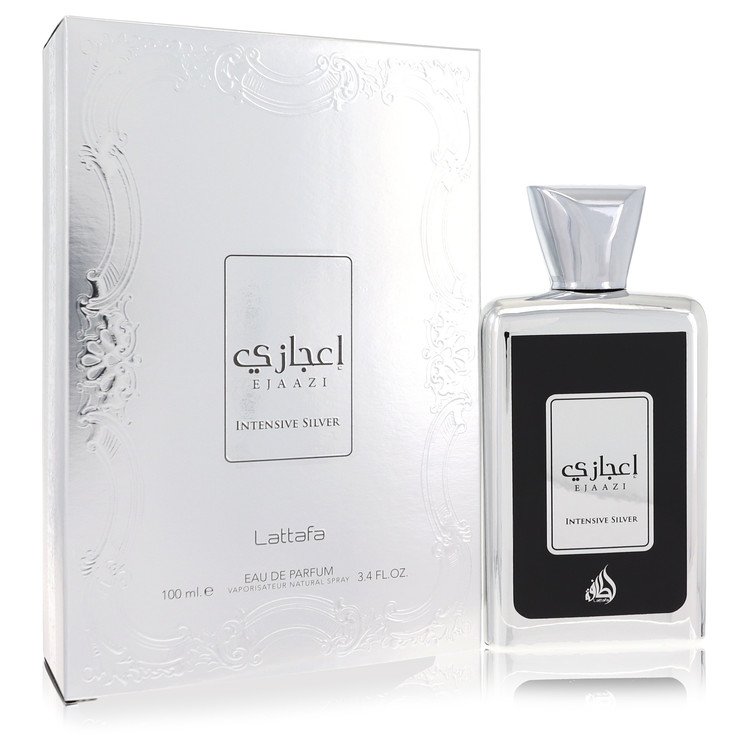
Lattafa Ejaazi Intensive Silver
Lattafa Perfumes · Eau de Parfum (EDP) · Fresh
≈ $15

Blu
Ajmal · Eau de Parfum (EDP) · Fresh
≈ $21 · 3oz
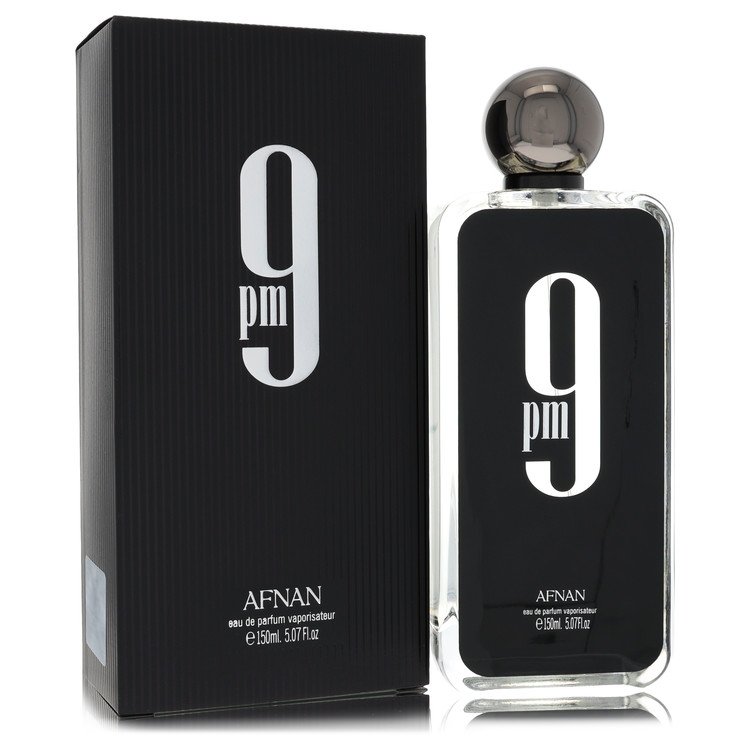
9 PM
Afnan · Eau de Parfum (EDP) · Amber
≈ $23 · 3.4oz
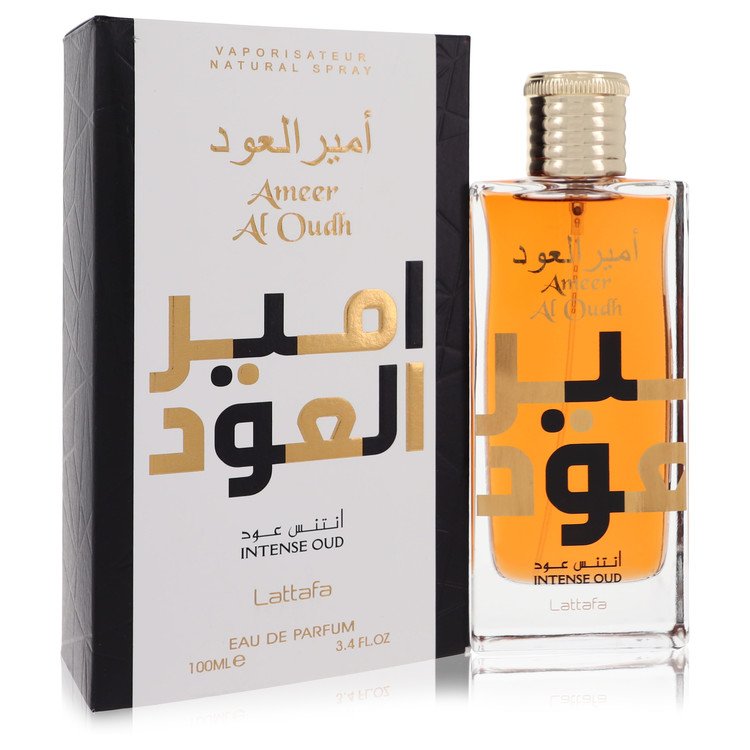
Ameer Al Oudh Intense Oud
Lattafa Perfumes · Eau de Parfum (EDP) · Woody
≈ $17
Build two: under $200
Doubling the budget doesn't mean doubling the bottles — it means trading up within the same four roles. Al Haramain's L'Aventure (about $35) is a citrus-woody chypre that's become one of the house's genuine bestsellers, sharp enough for the office without smelling cheap. Ajmal's Silver Shade (about $40) is regularly cited as a budget stand-in for Creed's Silver Mountain Water — fresh citrus and blackcurrant over musky woods, built for warm weather and versatile enough to wear most days regardless. For cold weather, Afnan's Edict Amberythme (about $48) moves into genuinely rich territory: cinnamon and saffron over a creamy vanilla-sandalwood base, parfum-strength rather than EDP. And for evenings, its stablemate Edict Ouddiction (about $48) is a proper oud — saffron and lavender over tobacco, leather and resinous amber — the kind of thing that would cost three or four times as much from a niche house. Total: $171, comfortably inside $200.
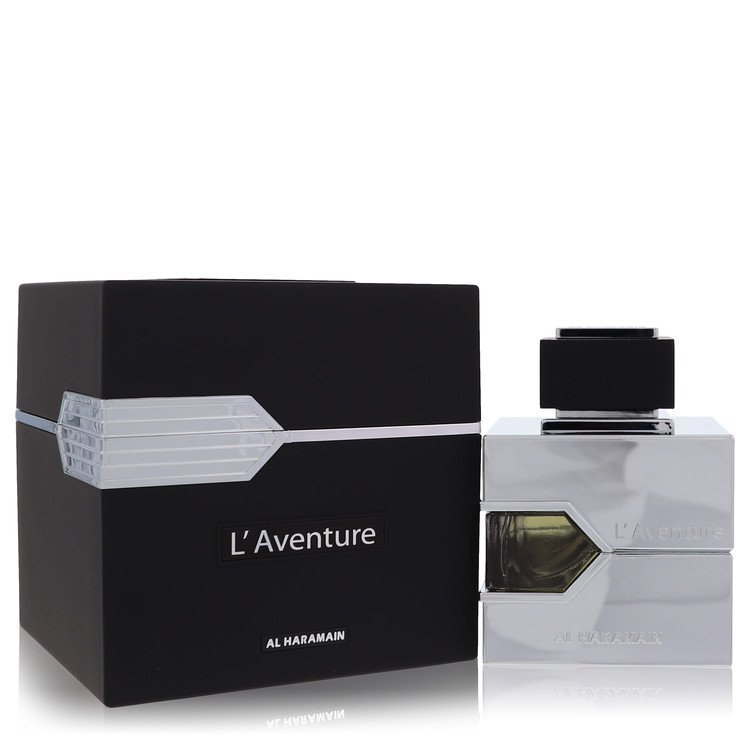
L'Aventure
Al Haramain · Eau de Parfum (EDP) · Woody
≈ $35 · 3.3oz
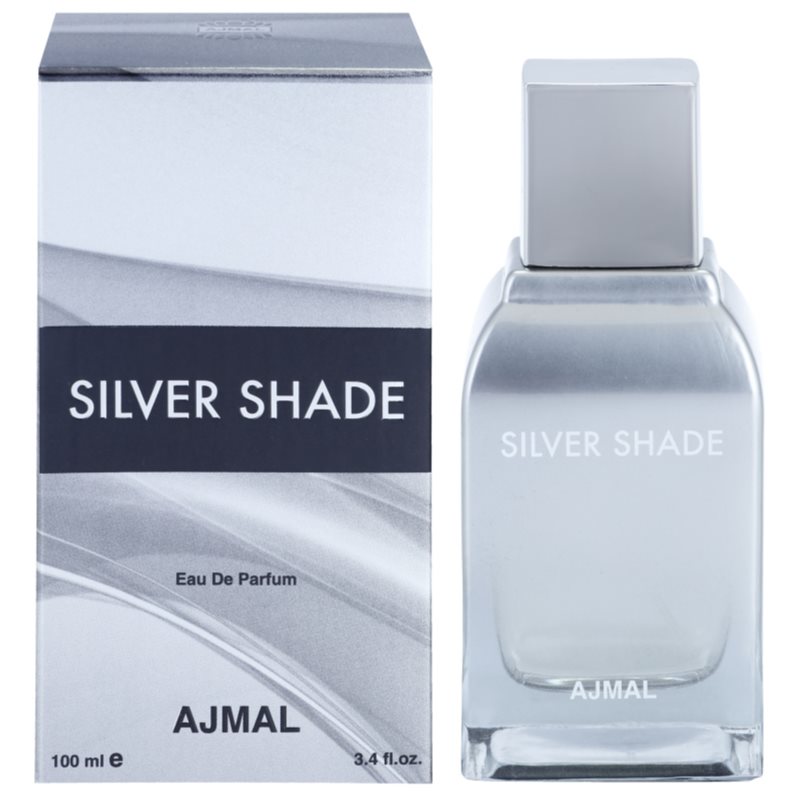
Silver Shade
Ajmal · Eau de Parfum (EDP) · Fresh
≈ $40 · 100ml
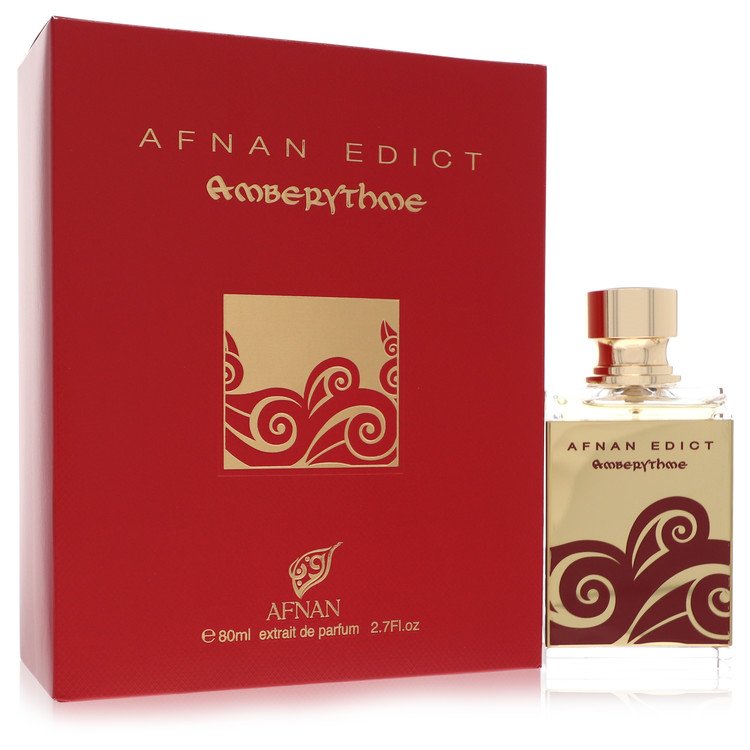
Edict Amberythme
Afnan · Parfum / Extrait · Amber
≈ $48
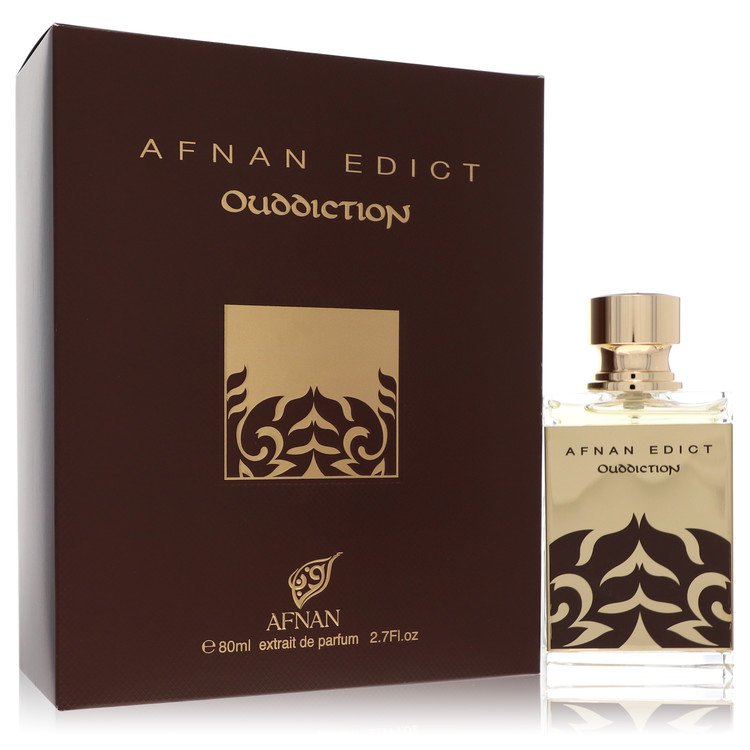
Edict Ouddiction
Afnan · Parfum / Extrait · Woody
≈ $48
Build three: under $400
At this budget the wardrobe stretches to five bottles and starts pulling in niche houses and one real designer classic. Penhaligon's No. 33 (about $71) is an aromatic-fougère cologne built for office and daily wear with genuine depth in the drydown. Montale's Sandflowers (about $72) is an unusually restrained niche pick — sea notes, juniper and sandalwood, built specifically for warm weather rather than Montale's usual maximalism. For cold weather, Dior's Fahrenheit (about $96) earns its place as the wardrobe's one designer classic: launched in 1988, still divisive, still completely unlike anything released since, and — for a scent this distinctive — remarkably affordable relative to niche pricing. Montale's Aoud Leather (about $72) covers evenings with a softer, more refined oud-leather than the intense-oud picks in the cheaper builds. And Acqua di Parma's Colonia Pura (about $48) rounds it out as a second, lighter daily option — a clean citrus-floral for days when the fougère feels like too much. Total: $359, with $41 left over.

No. 33
Penhaligon's · Eau de Cologne (EDC) · Fresh
≈ $71
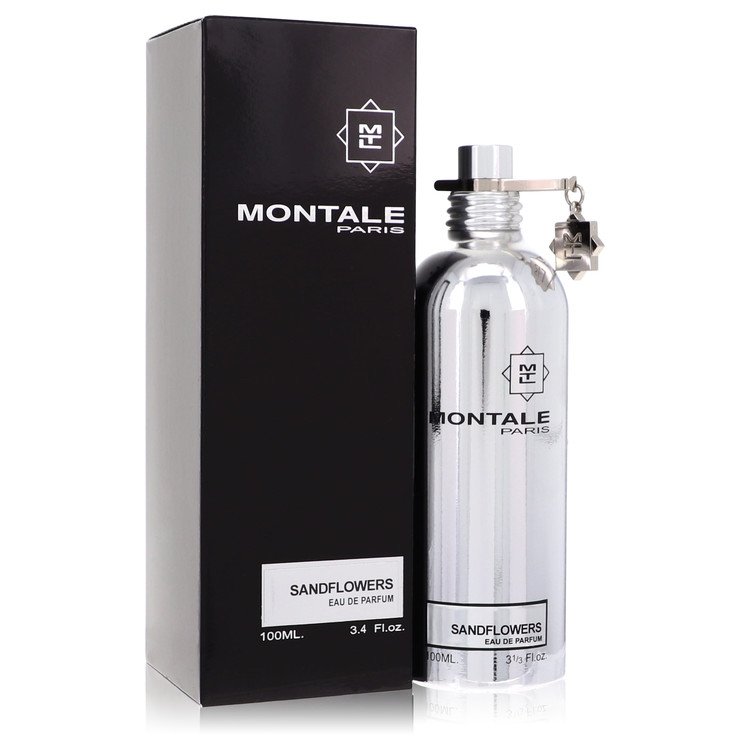
Sandflowers
Montale · Eau de Parfum (EDP) · Woody
≈ $72 · 3.3oz

Fahrenheit
Dior · Eau de Toilette (EDT) · Woody
≈ $96 · 1.7oz
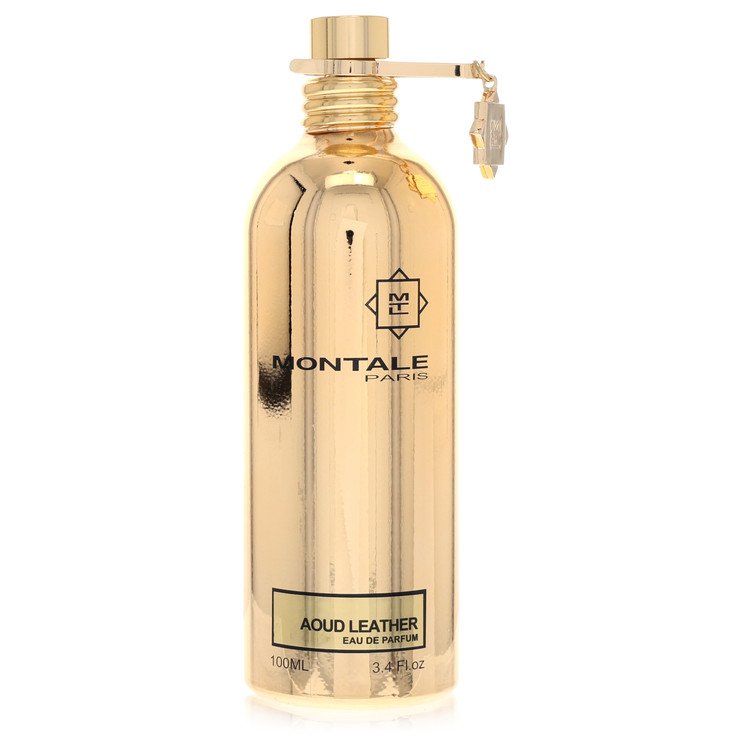
Aoud Leather
Montale · Eau de Parfum (EDP) · Amber
≈ $72
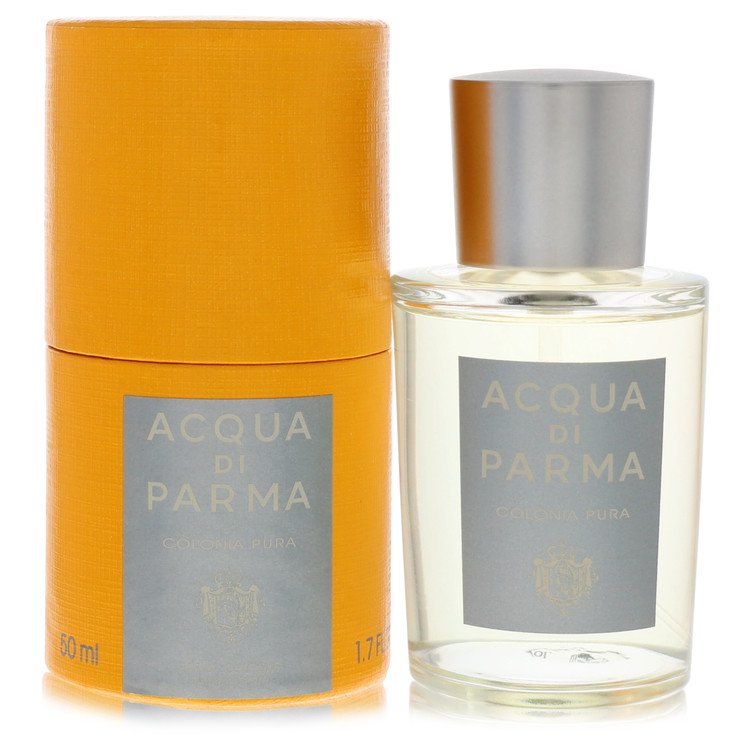
Colonia Pura
Acqua di Parma · Eau de Cologne (EDC) · Floral
≈ $48 · 1.7oz
Where the real value is
Two things make budgets like these possible. First, the Middle-Eastern houses — Lattafa, Armaf, Al Haramain, Afnan and similar — have built entire businesses around delivering niche-style density (real oud, saffron, oakmoss, dense amber bases) at $15–50, because they carry none of a prestige house's licence royalty or flagship marketing spend. The formulas are frequently direct, unsubtle, and genuinely well-made within that directness — this isn't 'cheap and it shows,' it's a different cost structure producing a similar-smelling result. Second, some designer classics are decades old and have simply never been repriced to match what a comparable niche release would cost today: Fahrenheit is 1988's fragrance sold at 2026 designer prices, not 2026 niche prices, and the gap between the two is where a lot of the value in this hobby actually sits.
Decants and samples: try before you commit
Full bottles are a bad way to find out whether you like something. A fragrance can smell excellent on a paper strip or in a photo and turn unwearable on your specific skin chemistry within the hour — and there's no way to know that until you've actually worn it for a full day. Decant and sample sites split full bottles into 2–10ml portions at a fraction of the retail price, so a $5–15 decant of something in the $150–400 range lets you live with it — through a full workday, in different weather, layered under a coat — before deciding whether the full bottle is worth the money. For anything above roughly $60, a decant first is close to free insurance against an expensive mistake.
A fragrance that smells incredible on a blotter and disappointing on your skin is not a rare event — it's the default outcome for a meaningful share of purchases, which is exactly why sampling exists.
Avoid the traps
Four mistakes account for most wasted fragrance money. Blind-buying on hype — a bottle goes viral, everyone's reviewing it, and it arrives smelling nothing like what your skin does to it. Buying too many bottles at once, which usually means nothing gets worn enough times to actually judge it fairly; five bottles bought in one week is five untested guesses, not a wardrobe. Fake or grey-market bottles, which are a real risk with heavily discounted 'designer' listings on marketplaces and social media — buy from retailers you can actually identify, and treat suspiciously large discounts on prestige names as a warning sign rather than a bargain. And buying a full 100ml bottle of something you haven't lived with in decant form first, which is how bottles end up abandoned on a shelf after two wears.
Bottle sizes and shelf life
A 100ml bottle holds roughly 1,400–2,000 sprays depending on the atomiser, which at two to three sprays a wear is well over a year of regular use for a single fragrance — a genuinely large commitment, which is exactly why a four-bottle wardrobe rotates rather than sitting untouched. Fragrance does degrade: heat, direct sunlight and repeated temperature swings break down the oils faster than time alone, so a bottle kept on a bathroom windowsill will noticeably dull within a year or two, while the same bottle stored upright in a cool, dark cupboard or drawer, box on if you kept it, can hold its character for several years. Keep bottles away from steam and direct light, and a modest four- or five-piece wardrobe built at any of these budgets should still be worth wearing well into next year.