Every bottle of perfume has a small abbreviation printed near the barcode — EDT, EDP, sometimes Parfum or Extrait — and most people quietly assume it's a strength ladder, with Parfum sitting at the top as the "best" version. That assumption is half right. The letters do describe concentration. But they don't describe quality, and they don't reliably describe longevity, and increasingly they don't even describe the same fragrance. Two bottles with the same name and a different concentration on the label can be genuinely different compositions.
This is a practical guide to what the terms actually mean, why the industry's own conventions are looser than people think, and how to use that knowledge to buy the version that's actually right for you — rather than the one that sounds more expensive.
What the letters actually denote
A perfume is perfume oil — the aromatic compounds, natural and synthetic — dissolved into a carrier, almost always ethanol, with a little water. The concentration terms describe roughly how much of that oil is in the mix. As conventionally used across the industry: Eau de Cologne (EDC) sits around 2–5%, Eau de Toilette (EDT) around 5–15%, Eau de Parfum (EDP) around 15–20%, and Parfum or Extrait de Parfum around 20–40%. Higher up that scale, less of the bottle is alcohol and more of it is the actual scent.
In principle that means more oil per spray, which usually — not always — reads as richer and closer to the skin, with less of the initial alcohol sting. But "in principle" is doing a lot of work in that sentence, because these ranges are not enforced by anyone.
Conventions, not regulations — so houses vary wildly
There is no regulator that checks a bottle labelled Eau de Parfum actually contains 15–20% perfume oil. IFRA, the industry body that does have real teeth, governs allergen limits and restricted ingredients — not concentration labelling. A house is free to call something Eau de Parfum at 12% or Extrait at 22%, and plenty do. Niche and indie perfumers in particular use "extrait" as a premium signal more than a precise measurement. The result is that concentration labels are a rough signal of a fragrance's family, not a guaranteed number you can compare bottle-to-bottle across brands.
The letters on the box tell you what a house decided to call the bottle. They don't tell you what's actually in it, and they definitely don't tell you how it will wear on your skin.
Case study: when EDT and EDP are genuinely different scents
The clearest way to see this is to put two concentrations of the same name side by side. Dior's Sauvage is a useful example because the EDT and EDP aren't the same juice at different strengths — they're built around a shared ambroxan signature but taken in different directions. The EDT opens on bergamot and black pepper into a genuinely aromatic, lavender-and-vetiver heart — bright, peppery, unmistakably fresh.
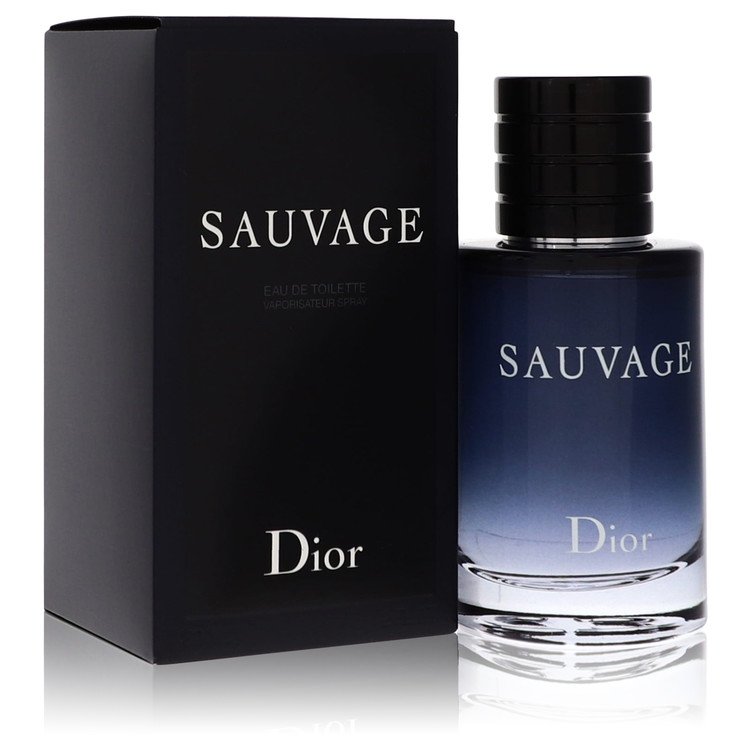
Sauvage
Dior · Eau de Toilette (EDT) · Fresh
≈ $130 · 2oz
The EDP, released three years later, trims the top note down to bergamot alone and swaps in star anise, nutmeg and vanilla. It reads warmer, sweeter and noticeably ambery rather than fresh — in this catalogue it's even classified into a different fragrance family (amber/woody-amber, versus the EDT's fresh/aromatic). That's not a stronger dose of the same thing. It's a different composition wearing the same name, aimed at a cooler-weather, evening version of the idea rather than a simple volume boost.
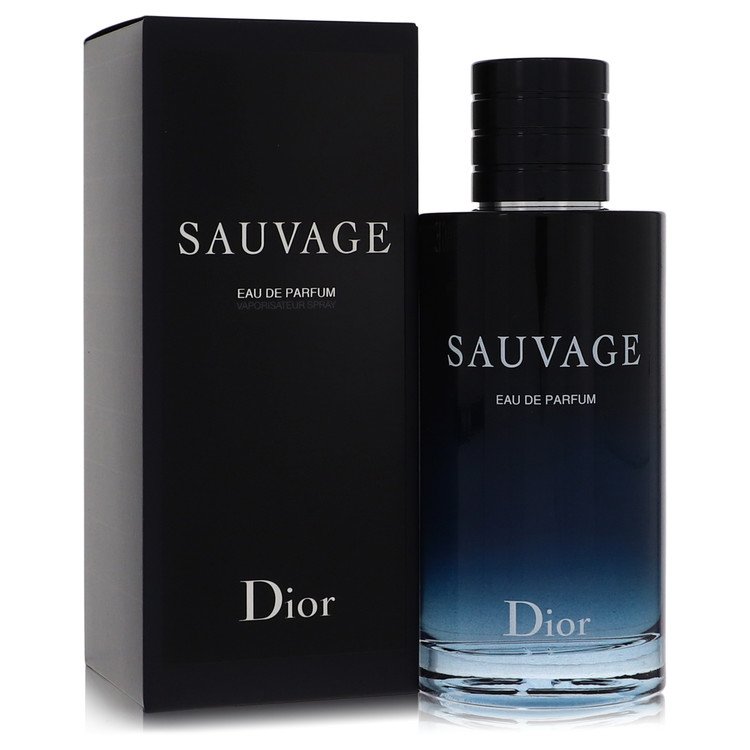
Sauvage
Dior · Eau de Parfum (EDP) · Amber
≈ $227 · 6.8oz
Higher concentration isn't automatically "better" — or even longer-lasting
It's tempting to treat Parfum as the objectively superior tier because it costs more and contains more oil. Longevity in particular doesn't track concentration as cleanly as people expect — it depends far more on which molecules are actually in the formula. Synthetics like ambroxan, Iso E Super and modern musks cling to skin for a very long time regardless of how dilute the spray was, which is why plenty of cheap EDTs outlast expensive EDPs. Skin type, climate and how much you apply move the needle more than the letters do. And sometimes the lower-concentration version is simply the better-composed fragrance — Dior's own 1966 Eau Sauvage EDT, a landmark citrus chypre, is generally considered the more elegant, better-balanced version next to the heavier 2012 Eau Sauvage Parfum reinterpretation. Don't buy the higher tier on the assumption it must be the superior fragrance.
Flankers: often a new composition, not a dilution
This matters most with "flanker" releases — the Intense, Le Parfum or Elixir version that follows a bestseller a few years later. These are frequently rebuilt by the perfumer rather than simply re-concentrated. Yves Saint Laurent's Black Opium EDP opens on pink pepper, orange blossom and pear over a coffee-and-jasmine heart. Black Opium Le Parfum, released eight years later, swaps in cinnamon and green mandarin up top, jasmine sambac and "solar notes" in the heart, and rebuilds the base around a quartet of Madagascar vanillas. Same name, related DNA, but a genuinely different note list and a different mood — sweeter and more opaque rather than simply "more" of the original.
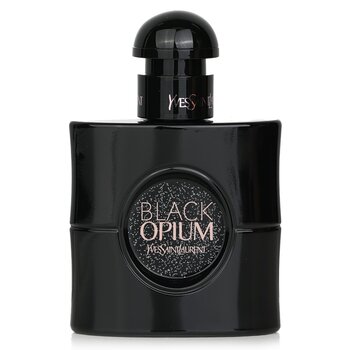
Black Opium Le Parfum
Yves Saint Laurent · Parfum / Extrait · Amber
≈ $145 · 90ml
…and sometimes it really is just a stronger pour
The opposite case exists too, and it's worth knowing the difference. Armaf's Club de Nuit Intense Man — the budget line built to chase Creed Aventus — keeps almost identical top and heart notes across its EDT and Parfum versions: the same pineapple, blackcurrant, birch and jasmine skeleton. What shifts is the balance and finish, with the Parfum edition reading a touch more floral and less overtly smoky in its listed accords. This is closer to what people assume all concentration pairs are — the same fragrance, adjusted rather than rewritten — and it's a genuinely useful budget lever: if you like the shape of a scent but want it to sit closer to the skin, the higher-concentration version of a line like this is a reasonable bet.
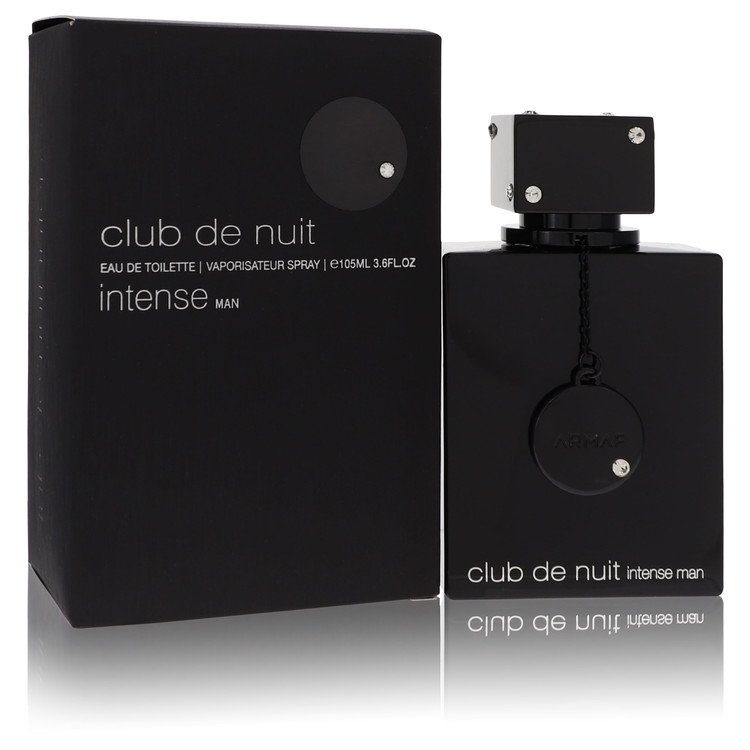
Club de Nuit Intense Man
Armaf · Eau de Toilette (EDT) · Woody
≈ $30 · 3.6oz
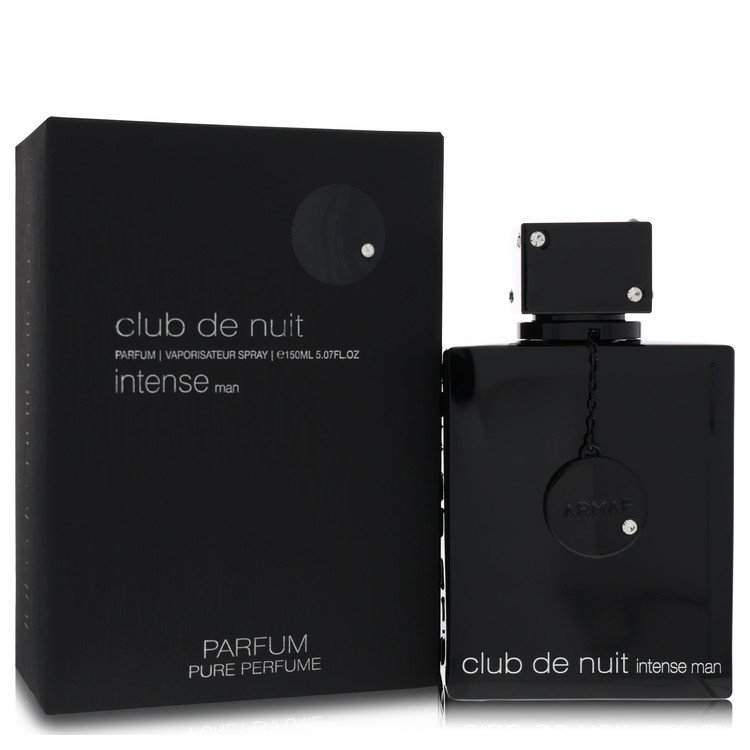
Club de Nuit Intense Man Parfum
Armaf · Parfum / Extrait · Woody
≈ $60 · 5.07oz
Attars and oils: a separate tradition, not a fifth tier
Everything above sits on the French-style alcohol-based scale. Attars and concentrated perfume oils, long central to Middle Eastern and South Asian perfumery, sit outside it entirely — there's no alcohol in the bottle to dilute anything. Dehn el Oud, Swiss Arabian's Mubarak attar, is a good example: a concentrated agarwood oil sold in a 6ml vial rather than the 50–100ml sprays the Western scale assumes. You dab it onto pulse points instead of spraying, it develops slower and stays closer to the skin, and it can't be meaningfully placed on the EDC-to-extrait ladder because it was never built to be sprayed or diluted that way in the first place.

Dehn El Oud Mubarak
Swiss Arabian · Attar / Oil · Woody
≈ $55 · 6ml
So which one should you actually buy?
Treat the letters as a starting hint, not a verdict. If a house sells the same name at two concentrations, check whether the note lists actually differ before assuming one is just "more" of the other — our perfume pages list the full pyramid for exactly this reason. If they do differ, choose by the notes and season you want, not the percentage. If they're close to identical, buy on projection and budget: EDT for daytime, office wear and hot climates where a heavier EDP can turn cloying; EDP or Parfum for cold weather and evenings where you want the fragrance to hold its shape for longer. And don't assume expensive means better composed — some of the most respected fragrances in perfumery history are EDTs, precisely because a lighter hand was the right call.