Western fragrance media tends to talk about layering as a discovery — a trick TikTok found, a way to make a $30 designer scent smell like a $300 niche one. That framing gets the history backwards. Combining scented materials on the body is not a hack invented for content; it is the default way fragrance has been worn for centuries across the Middle East and South Asia, where a single occasion might involve an oud oil rubbed into the wrists, bakhoor smoke passed through the collar of a thobe or the folds of an abaya, and an attar or spray applied on top of both. Nothing about that is an accident or a shortcut. It is a structured, deliberate practice with its own vocabulary, and it predates the modern spray bottle by a long way.
Layering is not a Western invention
In Gulf and South Asian perfume culture, a finished scent on the body is routinely assembled from more than one source. Bakhoor — chips of wood soaked in oud oil and other aromatics, burned on charcoal — is used to scent hair and clothing before anything is applied to skin, so the base layer is already in place before a bottle is opened. An oil-based attar or concentrated oud might go on the wrists and neck next, worn close to the skin the way it always has been, and a lighter eau de parfum sprayed over the top to carry the whole composition further into the room. Each layer has a job: the smoke fixes into fabric and lingers for days, the oil reads warm and skin-close, the spray adds lift and projection. Treat this as the reference point for what follows, not a novelty borrowed from it.
Why layering works at all
Every fragrance sits on the same rough curve: bright, volatile molecules evaporate first (the top notes), heavier ones evaporate slowest and dominate the drydown (the base). When you layer two fragrances, you are not creating a new scent so much as adding materials to that shared curve. A composition that is almost entirely base notes — a dense oud, an amber, a straight musk — has nowhere to go in the first ten minutes; it just smells like its own drydown from the moment it hits skin. A composition that is mostly top notes fades fast and can feel thin by the two-hour mark. Put the two together and each fills the other's gap: the heavy scent gives the light one a foundation to land on and something to hold its trail together, and the light scent gives the heavy one an opening act it doesn't have on its own.
The basic rules
A handful of rules keep this from turning into noise. Apply the heavier, base-dominant scent first and closer to the skin — this is exactly the attar-under-spray logic described above — then the lighter one over or above it, since spraying a delicate citrus first only for it to get buried under something dense wastes it. Stop at two fragrances; a third almost always turns the result muddy rather than more interesting. Look for at least one shared note or accord between the two — vanilla in both, musk in both, a common rose or citrus — because fragrances built from unrelated materials tend to fight rather than blend. Always test on skin rather than spraying both into the air and sniffing the cloud, since skin chemistry changes how materials sit together in a way a sniff test never shows. And use less of each than you'd wear alone — one or two sprays of each, not a full application of both — so you end up with a blend rather than two loud things stacked on top of each other.
Combinations that reliably work
The clearest demonstration of the traditional method is an oil worn under a spray that shares its floral core. Al Rehab's Dalal is a $7 attar built on caramel and plum over an orange blossom, jasmine and rose heart, settling into tonka, sandalwood, musk and cedar — deliberately linear, worn close to the skin the way attars are meant to be. Al Haramain's L'Aventure Rose is a rose-and-red-berries eau de parfum that shares rose, jasmine and musk directly with Dalal's own note list. Applied as intended — Dalal on the wrists first, L'Aventure Rose sprayed over — the attar supplies a long, warm floral base the spray doesn't have on its own, while the spray gives Dalal the fresh, juicy top note it was never built with.
Dalal
Al Rehab · Attar / Oil · Amber
≈ $7 · 6ml
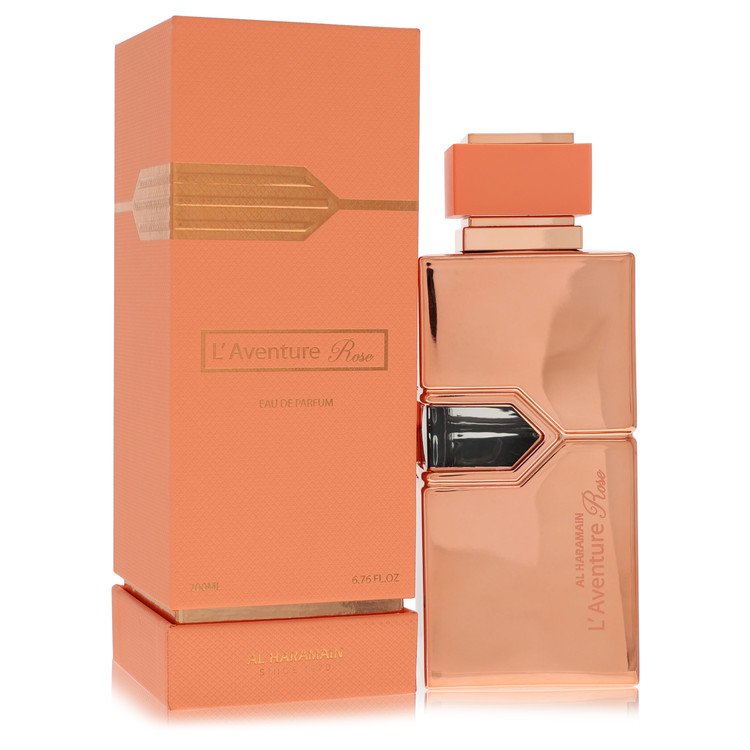
L'Aventure Rose
Al Haramain · Eau de Parfum (EDP) · Floral
≈ $37 · 6.76oz
For a straight demonstration of the base-plus-opening principle, Afnan's Noya Oud Is Great is almost entirely middle and base: saffron, nutmeg and lavender at the top, a straight oud heart, patchouli and musk underneath, and nothing bright to speak of. Al Haramain's Urbanist is the mirror image — petitgrain, orange and lemon over a lavender, rosemary and jasmine heart, closing on musk, amber and sandalwood — and it shares both lavender and musk with the Afnan directly. Spray Urbanist over Noya applied at the wrists and the oud gets a citrus-aromatic opening it doesn't have, while Urbanist's own thin base gets reinforced by real oud and patchouli underneath.
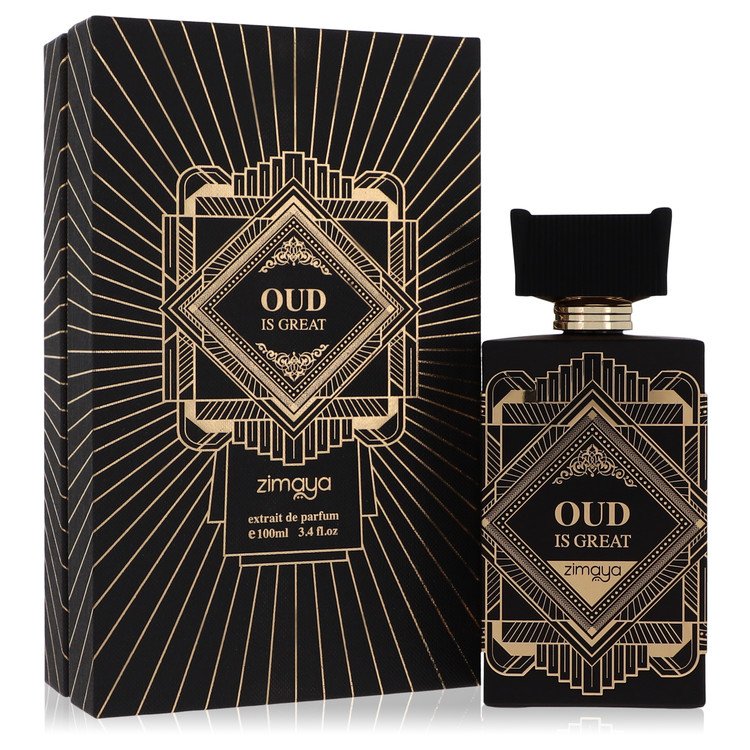
Noya Oud Is Great
Afnan · Eau de Parfum (EDP) · Woody
≈ $25
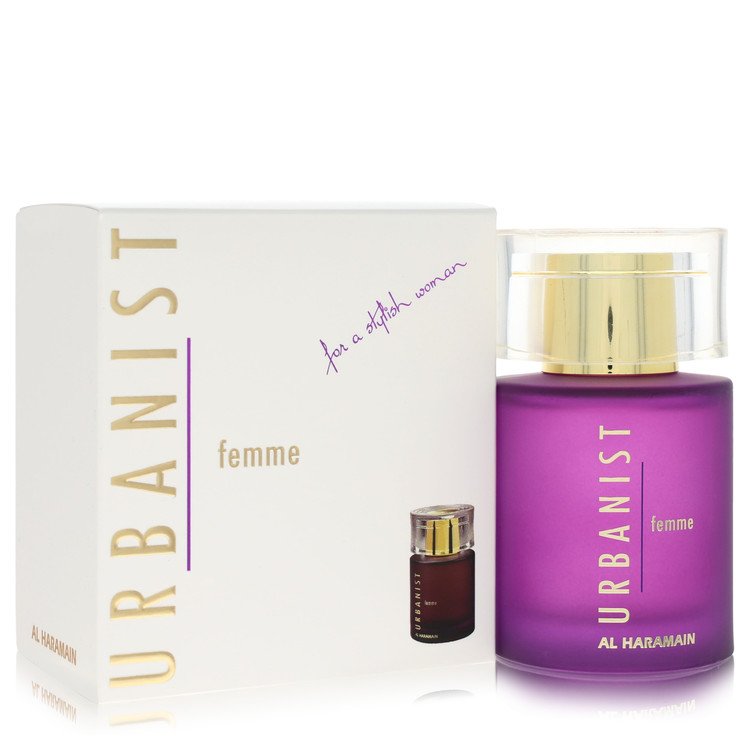
Urbanist
Al Haramain · Eau de Parfum (EDP) · Woody
≈ $19
The same logic works for gourmands. Al Rehab's Golden Sand is a $6 attar of caramel, vanilla, amber, oud and musk with, as its own description puts it, no formal top-heart-base progression at all — it just sits there, warm and dessert-like. Afnan's Zimaya Anhaar Dune is a vanilla-caramel eau de parfum brightened with lemon and coconut over ambergris and musk, sharing caramel, vanilla and musk with the Golden Sand almost note-for-note. Worn together, Anhaar Dune's lemon-coconut top does the work Golden Sand can't do for itself, and Golden Sand's oud and amber give Anhaar Dune far more staying power than it has alone.
Golden Sand
Al Rehab · Attar / Oil · Amber
≈ $6 · 6ml
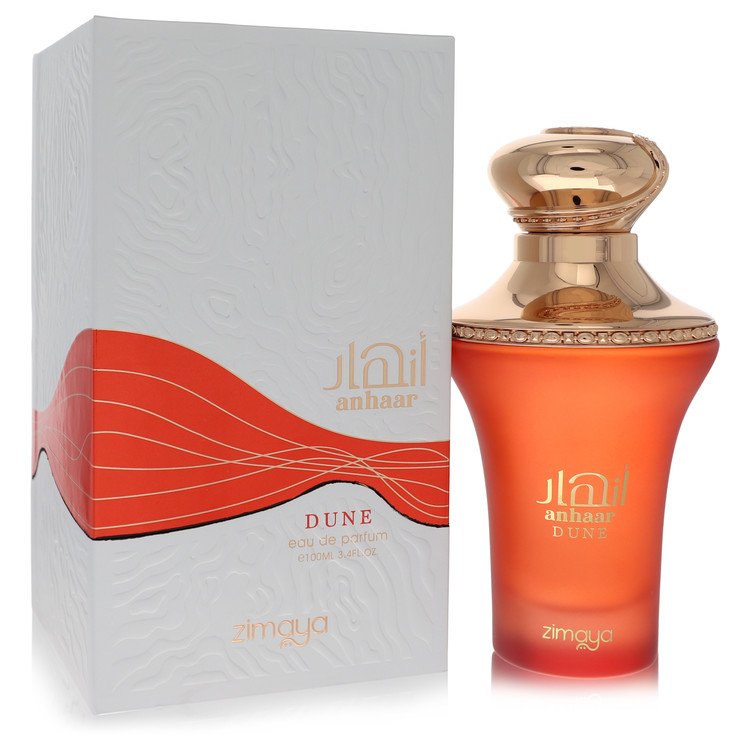
Zimaya Anhaar Dune
Afnan · Eau de Parfum (EDP) · Amber
≈ $30
Rasasi's Attar Al Mohabba is a genuinely attar-styled composition — cinnamon and cardamom over bergamot, into a rose, cedar and musk heart, finishing on woody notes, patchouli, leather, oud and vetiver — dense and evening-appropriate on its own. Layered under Ajmal's Serenity In Me, a citrus-and-orange-blossom eau de parfum that opens into rose and jasmine over a balsamic amber base, the shared rose ties the two together while Serenity In Me's bergamot-lemon opening gives Al Mohabba the lift it lacks and Al Mohabba's leather and oud extend Serenity In Me's fairly soft base into something with real depth.

Attar Al Mohabba
Rasasi · Eau de Parfum (EDP) · Woody
≈ $60
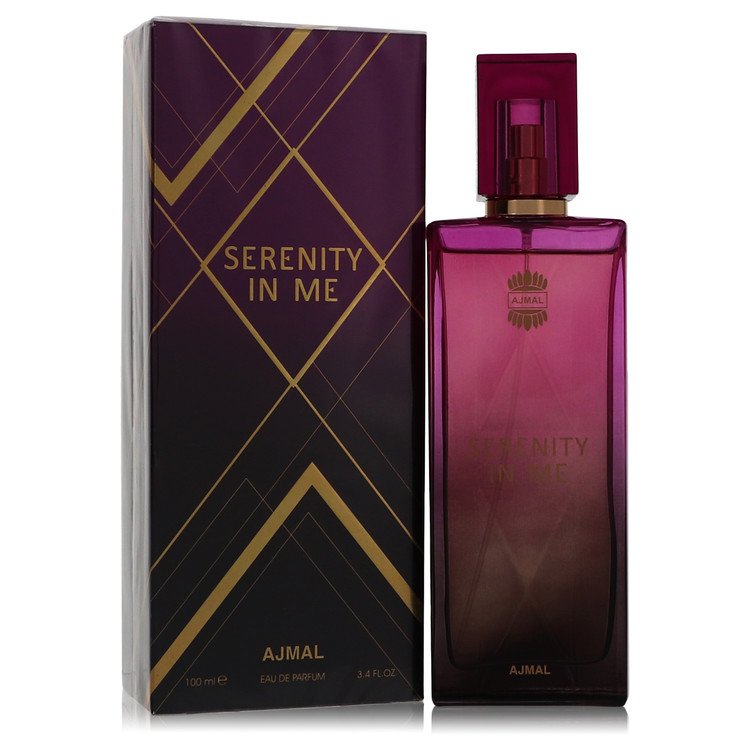
Serenity In Me
Ajmal · Eau de Parfum (EDP) · Floral
≈ $25
It's worth showing this doesn't have to stay inside Middle Eastern perfumery either. Lattafa's Rouat Al Oud is an affordable oud-leather-amber composition with saffron and raspberry up top and rose, geranium and patchouli through the heart. Acqua di Parma's Colonia Pura is a minimalist citrus eau de cologne — bergamot and orange over jasmine and narcissus, closing on cedar, patchouli and musk — sharing patchouli directly and a compatible cedar-and-musk base with the Lattafa. Spraying Colonia Pura over Rouat Al Oud applied to the wrists gives the citrus a genuine oud fixative underneath it, something a $48 eau de cologne rarely has room for on its own.
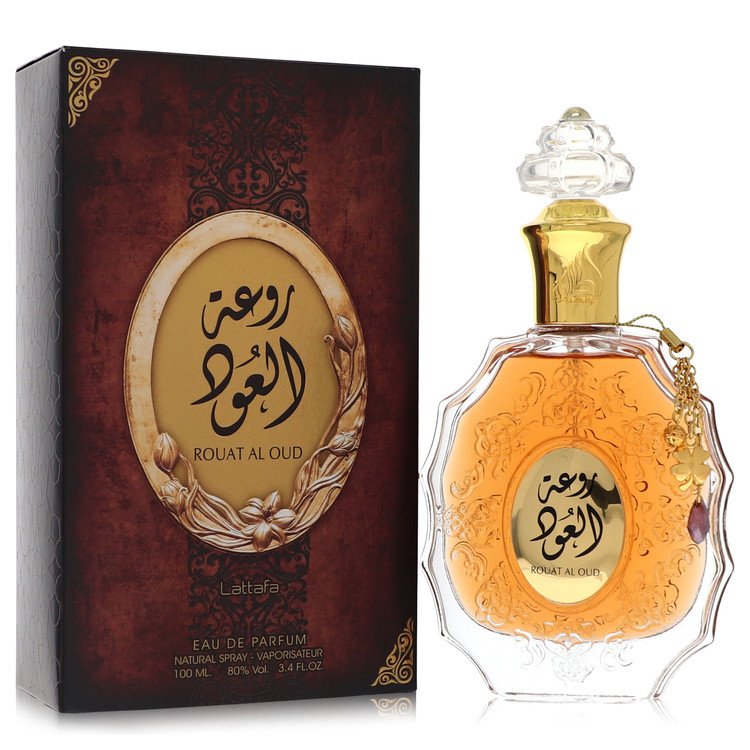
Lattafa Rouat Al Oud
Lattafa Perfumes · Eau de Parfum (EDP) · Woody
≈ $16
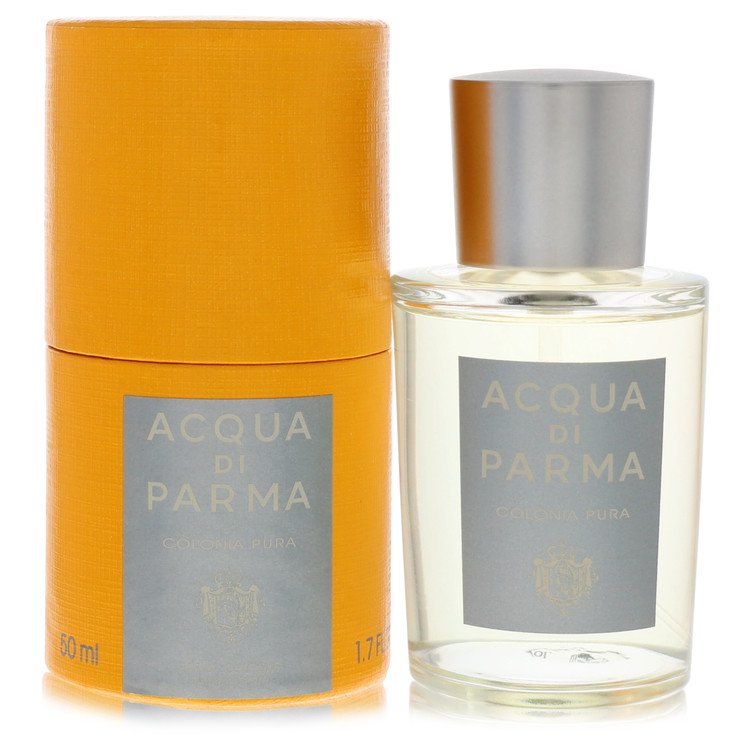
Colonia Pura
Acqua di Parma · Eau de Cologne (EDC) · Floral
≈ $48 · 1.7oz
What not to do
Two loud, already-complex fragrances rarely improve each other — if a scent already has fifteen notes across three well-developed accords, adding a second one just as busy produces noise rather than depth. Two heavy gourmands stacked together tend to curdle into something cloying and synthetic-smelling within the hour; sweetness doesn't stack cleanly the way woods or musks do. And avoid combining fragrances built around opposing accords — a sharp, green aromatic against a thick, sweet oriental, or a marine-aquatic against a heavy leather — since without a shared note to anchor them, the two evaporation curves just sit next to each other rather than merging.
A well-composed fragrance is already balanced. Layering should solve a problem the fragrance actually has — no opening, no legs, no fixative — not paper over the fact that you own two things you like.
That last point matters more than any pairing above. Most fragrances released in the last few decades were built by a perfumer who spent real time balancing top, heart and base against each other. Layering is a tool for the specific cases where that balance is missing — a linear attar with no opening, a cheap citrus that vanishes in an hour, a niche release you love but that never quite develops — not a default you apply to everything in the collection. If a scent already does what you want it to do, leave it alone.
Cheap ways to experiment
None of this requires buying full bottles to test. An unscented body lotion or an alcohol-free carrier oil works as a genuinely neutral base to layer onto if you want to isolate how a single fragrance behaves before adding a second — apply it first, then the fragrance, and compare against skin alone. Single-note oils (a plain oud, a plain vanilla, a plain sandalwood, widely sold cheaply by Middle Eastern and South Asian perfume houses) are a low-risk way to test whether a particular material genuinely helps a fragrance you already own, since you're only testing one variable at a time rather than an entire second composition. And decants — small samples split from full bottles, sold by fragrance decanting sites and communities — let you try five or six potential pairings for the price of one full bottle before committing to buying two fragrances specifically to wear together.
The underlying skill is the same one perfumers use when building a fragrance in the first place: paying attention to what a composition is missing and adding only what fills that gap. Start with one of the pairings above, test it on skin rather than in the air, use less than you think you need, and don't be surprised if the first thing you learn is that the fragrance you were trying to fix didn't need fixing at all.