There's a lot of confident-sounding advice about making fragrance last longer, and most of it is half true at best. Rub your wrists together. Spray your hair. Layer the lotion. Some of this genuinely helps; some of it works against you; and a good chunk is folklore repeated because it sounds plausible, not because anyone tested it. This is a practical, honest walkthrough of what actually changes how long you smell of something — and what doesn't.
Why fragrances fade at all
A fragrance is a mixture of dozens of aromatic molecules with wildly different evaporation rates, and that's the whole story of why a scent changes on your skin over the course of a day. Citrus oils and aldehydes are small, light molecules that evaporate almost immediately — they're what you smell in the first fifteen minutes and then, mostly, never again. Heart notes like florals and spices hang around for an hour or two. Base notes — musks, woods, resins, vanilla, oud — are large, heavy molecules that evaporate slowly, sometimes over twelve hours or more. This is simply chemistry, not a flaw in your technique: a fragrance built mostly from top notes will always fade faster than one built on a dense resinous base, no matter what you do to it.
Skin chemistry is real, and it's mostly about moisture
"It smells different on everyone's skin" gets thrown around loosely, but there's a genuine mechanism behind it, simpler than people make it sound. Dry skin doesn't hold fragrance molecules well — there's less oil on the surface for aromatic compounds to bind to, so they evaporate faster and the scent thins out sooner. Oilier, better-hydrated skin acts like a slow-release surface. Body heat speeds up evaporation generally, which is why a fragrance feels stronger and shorter-lived on a warm day or on someone who runs hot. Skin pH plays a smaller role in how a scent smells rather than how long it lasts. None of this means your skin "eats" fragrance — it usually means your skin is dry, and that's fixable.
The moisturising trick actually works
This is the one piece of common advice that holds up under scrutiny: apply an unscented moisturiser, balm, or petroleum jelly to your pulse points before you spray. It works for exactly the reason above — a hydrated, slightly oily skin surface gives fragrance molecules something to cling to, so they evaporate more slowly instead of flashing off a dry surface within the hour. It's not a myth or a placebo; it's the same principle perfumers rely on when they use fixatives in a formula, just applied externally. The only caveat is that the lotion has to be unscented, or you're blending two fragrances and muddying both.
Pulse points, and why you shouldn't rub your wrists together
Pulse points — wrists, neck, inner elbows — are warmer than the rest of your skin, and heat helps a fragrance diffuse and "bloom" outward, which is the real reason they're recommended. But the advice is somewhat overstated: you don't need to hit every pulse point on your body for a fragrance to project, and spraying two or three spots is usually enough. What you should stop doing is rubbing your wrists together after spraying. Friction and heat break down the top-note molecules — the same ones responsible for that first impression — and mute them prematurely, along with crushing some of the more delicate aromatic structures in the blend. Spray and let it dry in the air; don't rub it in.
Clothes and hair hold scent longer than skin — with real tradeoffs
Fabric and hair don't have the warmth, moisture, or skin oils that break fragrance down, so a spray on a scarf, jumper, or the ends of your hair will genuinely outlast the same spray on skin — sometimes by a full day. This is a legitimate technique, not a myth. But it carries real risk: the alcohol in most fragrances can stain or discolour light, delicate fabrics, and repeated spraying can dry hair out over time. If you go this route, test an inconspicuous patch of fabric first, and treat hair as an occasional top-up rather than your primary application point.
Storage: heat and light are the real enemies
None of the above matters much if the bottle itself has degraded. Fragrance is broken down by heat, light, and temperature swings — the aromatic compounds oxidise and the top notes go stale or sour well before the base notes show any sign of trouble. The bathroom, ironically the most common place people keep their fragrance, is the worst room in the house for it: steam, humidity, and temperature swings from the shower actively age the juice. Keep bottles in their boxes when you're not using them (cardboard blocks light), store them somewhere cool and dark like a drawer or a closet, and keep them away from windowsills and radiators. A fragrance stored well can stay essentially unchanged for years; one left on a sunny bathroom shelf can visibly turn within months.
No amount of moisturiser, pulse-point technique, or careful storage will make a citrus cologne behave like an oud amber. The composition sets the ceiling; everything else just helps you reach it.
How many sprays, and setting realistic expectations
There's no universal number — it depends on concentration, the wearer's skin, and the room — but three to five sprays on an EDP-strength fragrance, focused on two or three points rather than scattered everywhere, is a reasonable starting range for daily wear. More important than spray count is understanding "scent bubble" versus projection: after the first hour, most fragrances settle into a close, personal bubble that only you and people who lean in will notice, even if they projected hard on application. That's not a fragrance dying — it's normal behaviour for the vast majority of scents, and expecting all-day room-filling sillage from something that isn't built for it will only leave you disappointed and over-applying.
The composition is the biggest factor — and no technique fixes that
Here's the part most longevity guides skip because it's less actionable: the single biggest determinant of how long a fragrance lasts is what it's actually made of, and that's fixed the day it's formulated. Some fragrances are composed to be quiet and fleeting on purpose — a citrus cologne built almost entirely from top and heart notes with a thin base is doing exactly what it was designed to do. Acqua di Parma's Colonia Futura, for instance, opens on lemon, bergamot and grapefruit and rests on nothing heavier than vetiver — there's no dense resin or musk anchor to slow the evaporation down, because that lightness is the point of the genre.
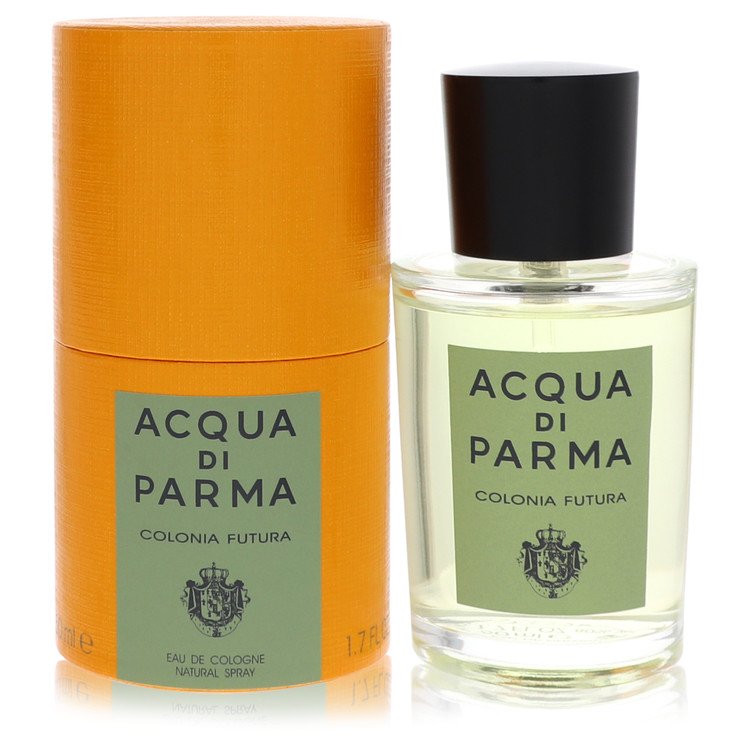
Colonia Futura
Acqua di Parma · Eau de Cologne (EDC) · Fresh
≈ $100
Calvin Klein's CK One is the classic case study in the same idea. Its top is pineapple, papaya and bergamot — about as volatile as fragrance notes get — and while it does settle into a musk, cedar and oakmoss base, that base was built to read as clean and soapy rather than dense and long-wearing. It was never designed to last twelve hours, and no amount of pulse-point technique will make it behave otherwise; that's simply not the brief it was written to.
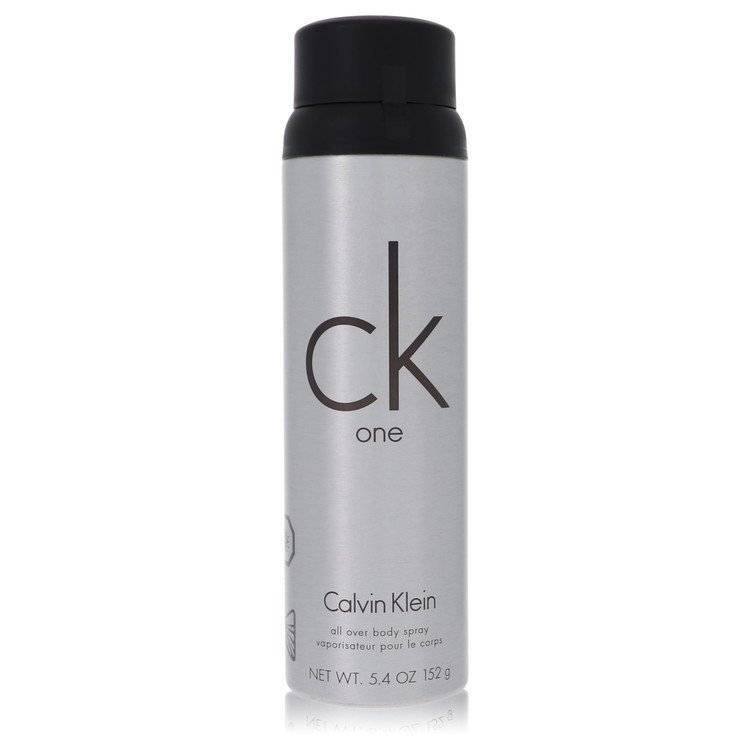
CK One
Calvin Klein · Eau de Cologne (EDC) · Fresh
≈ $14 · 5.2oz
Compare that to something built the opposite way. Amouage's Interlude Man opens with oregano and black pepper, but the heart is incense, opoponax, amber and labdanum, and the base is oud, leather, sandalwood and patchouli — four heavy, slow-evaporating materials stacked on top of each other. There is nothing about that structure that fades quickly; the top notes will burn off in the usual hour or two, but what's left underneath is built to persist for the rest of the day and into the next. This is why "beast mode" fragrances tend to cluster in the amber and oud families — it's not marketing, it's the raw evaporation chemistry of the ingredients involved.

Interlude Man
Amouage · Eau de Parfum (EDP) · Woody
≈ $395 · 100ml
Amouroud's Oud Tabac makes the same point from a different angle: ginger and saffron up top give way to tobacco, oud and frankincense in the heart, before settling into vanilla, cedar, musk and labdanum. Vanilla and labdanum in particular are notoriously tenacious — they're the reason so many gourmand-leaning ambers still show up on your skin the next morning. And Armaf's Club de Nuit Intense Man, despite opening with genuinely volatile top notes like pineapple and blackcurrant, is built on ambergris, patchouli and musk, which is exactly why it's become known as one of the longest-wearing fragrances at its price point — the fruit gets all the attention on the first spray, but the base is doing the real work for the next ten hours.
Oud Tabac
Amouroud · Eau de Parfum (EDP) · Amber
≈ $230 · 100ml
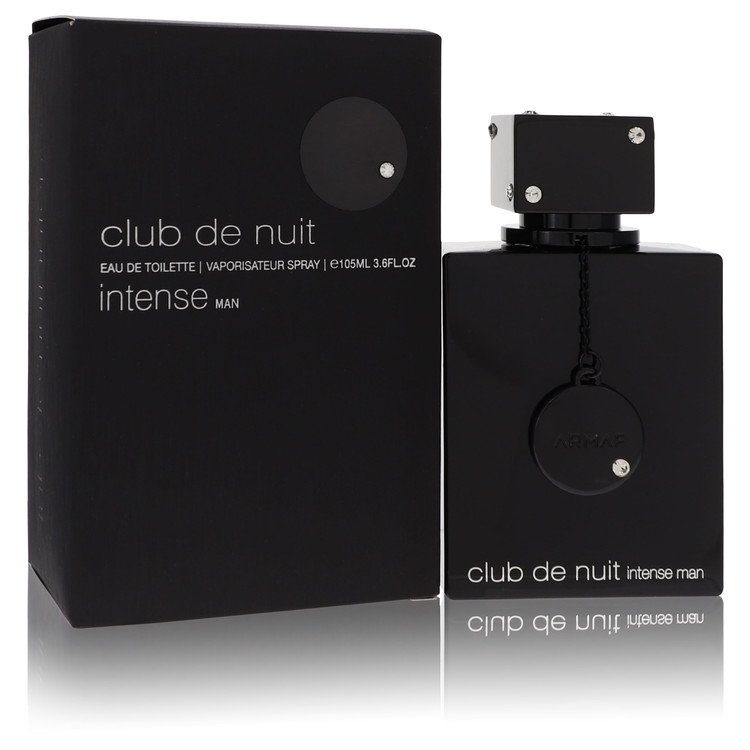
Club de Nuit Intense Man
Armaf · Eau de Toilette (EDT) · Woody
≈ $30 · 3.6oz
So the honest hierarchy is this: moisturised skin, sensible application, and good storage can meaningfully extend a fragrance's life within the limits set by its own formula — but they can't move a citrus cologne into oud-amber territory, and they shouldn't need to. If longevity is genuinely your priority, the most reliable lever isn't technique at all; it's choosing something with a resinous, woody, musky or amber-heavy base to begin with, and treating the light, top-heavy fragrances for what they're good at — a fresh, low-commitment scent you're happy to reapply.