"Oud" is probably the most misunderstood word in perfumery. Walk into any fragrance shop and you'll find dozens of bottles claiming it, from $15 supermarket sprays to $400 niche releases — and almost none of them contain the thing the word actually names. Real oud is strange, expensive, and often genuinely off-putting on first smell. Understanding what it actually is explains both why it costs a fortune and why most "oud" fragrances you've smelled aren't really about it at all.
What agarwood actually is
Oud comes from agarwood, the resin-soaked heartwood of trees in the Aquilaria genus, native to Southeast Asia and parts of the Indian subcontinent. A healthy Aquilaria tree is odourless — pale, unremarkable timber. The resin only forms as a wound response, usually after the tree is infected by a mould (commonly Phialophora parasitica) following physical damage from insects, lightning, or old-fashioned deliberate wounding. The tree fights the infection by flooding the injured area with a dark, fragrant resin. That resin-saturated wood, not the tree itself, is agarwood — and only a fraction of wild trees ever develop enough of it to be worth harvesting.
Oud oil is what you get when that resinous wood is chipped, soaked, and hydro-distilled — a slow, unpredictable process that can take weeks and still fail to yield usable oil if the wood grade is poor. This is the crucial point: agarwood formation can't be reliably industrialised. Plantation growers now inoculate trees artificially to speed things up, but the resin still needs years to develop real depth, and wild, naturally-infected trees remain the most prized (and now protected — Aquilaria species are CITES-listed) source.
Why real oud oil is so expensive
Distillers can process a large batch of high-grade agarwood chips and end up with only a few millilitres of oil — the yield is that low, and much of the wood contributes nothing at all. Add scarcity (decades of over-harvesting have pushed wild Aquilaria toward endangered status across its range), a slow multi-week distillation with a high failure rate, and a market where the best Hindi and Cambodi oils are traded almost like a commodity, and you get a raw material where a single tola (about 11.7ml) of top-grade oud oil can run into the hundreds or low thousands of dollars. Per millilitre, it rivals or beats the price of gold. That's why a fragrance built on a meaningful dose of real oud oil is rarely cheap — the raw material alone can exceed a bottle's entire retail price for a mass-market spray.
What it actually smells like
This is where most people's expectations break. Real oud oil is not a clean, sophisticated "woody" smell in the way marketing copy implies. It's animalic — barnyard, leather, sometimes outright fecal in its rawest form — layered over something sweet, smoky, and faintly medicinal, like tar or antiseptic. Good oud oil resolves that rawness into something genuinely beautiful over time: honeyed, ambery, deeply resinous, with a bittersweet woodiness that lingers for days on skin or fabric. But the first impression, straight from the vial, is genuinely challenging for most Western noses — which is exactly why almost no mainstream fragrance uses it undiluted or in any real quantity.
Oud oil also varies enormously by region, the way wine varies by terroir. Hindi (Indian) oud tends to be the most animalic and barnyard-heavy — deep, funky, polarising. Cambodi oud is generally sweeter and softer, with more honey and dried-fruit character and less of the raw edge. Malaysian oud sits somewhere between the two, often greener and more resinous, sometimes with a mentholated, medicinal top note. None of this is marketing flourish — it reflects real differences in the Aquilaria species involved, the soil, and the specific mould that triggered the resin response, which is why serious oud houses in the Gulf sell single-origin oils the way a wine merchant sells vintages.
A cheap attar is actually the easiest place to encounter this register without much financial risk. Al-Rehab's Golden Sand won't give you a raw, undiluted oud oil experience — it's a blended oil, sweetened with caramel and vanilla — but the deep, resinous base note it settles into is a reasonable, inexpensive gesture at what an oud-touched oriental oil is supposed to feel like, at a price where a wrong guess costs nothing.
Golden Sand
Al Rehab · Attar / Oil · Amber
≈ $6 · 6ml
Real oud oil vs the synthetic 'oud' accord
Almost every Western "oud" fragrance you've smelled is built around a synthetic oud accord, not the real material. Perfumers reconstruct the impression of agarwood from cleaner, cheaper, more stable aroma chemicals — woody-ambery bases, leather notes, a touch of something smoky — tuned to suggest oud without its unpredictability, its animalic rawness, or its four-figure cost. This isn't automatically a bad thing: it's how you get a consistent, wearable, office-safe product at a price anyone can buy. Tom Ford's Oud Wood is the fragrance most responsible for making "oud" a mainstream Western word in the first place, and it's a good example of the type — rosewood and cardamom over a smooth, sandalwood-softened agarwood impression that reads as sophisticated and warm rather than barnyard-funky. It's beautiful. It is also, by design, nothing like standing next to a vial of raw Hindi oud oil.
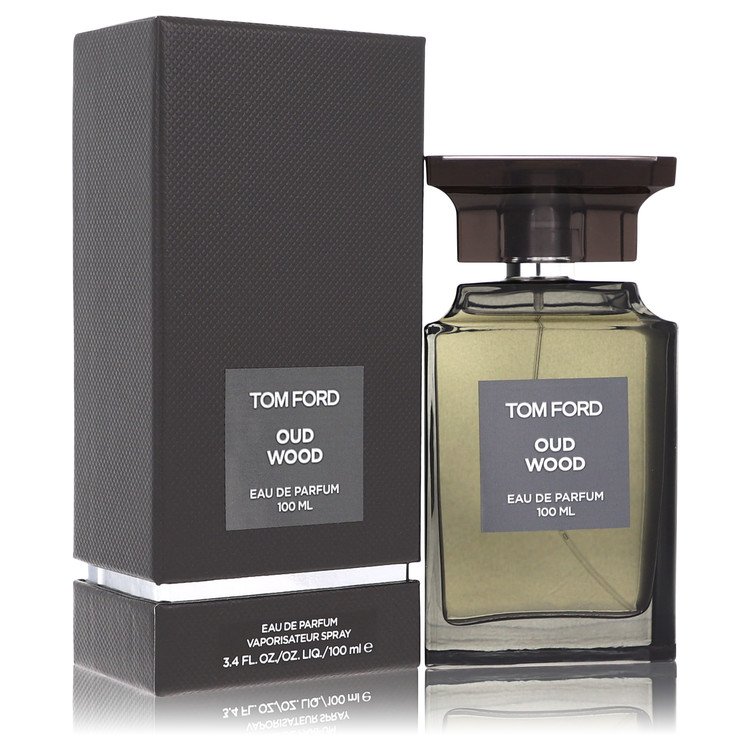
Oud Wood
Tom Ford · Eau de Parfum (EDP) · Woody
≈ $290 · 3.4oz
Higher up the price ladder, some designer and niche releases do lean on genuine oud oil as part of the formula rather than a pure synthetic stand-in, usually blended with other naturals to soften the rawness into something wearable. Dior's Oud Ispahan pairs a resinous agarwood base with Damascus rose and saffron — the rose does a lot of work civilising the oud, which is a common and effective pairing in serious oud perfumery. Bvlgari's Le Gemme line, meanwhile, is one of the more oud-forward projects in mainstream niche perfumery; Falkar centres a genuinely smoky agarwood accord around warm spice rather than hiding it under fruit or gourmand sweetness. Neither is "real oud oil in a bottle," but both sit closer to that end of the spectrum than a supermarket flanker does.
Oud Ispahan
Dior · Eau de Parfum (EDP) · Woody
≈ $350 · 125ml
Le Gemme Falkar
Bvlgari · Eau de Parfum (EDP) · Woody
≈ $250 · 100ml
Why Middle Eastern houses use it so differently
In the Gulf, oud isn't a niche perfumery flourish — it's a cultural staple, burned as incense (bakhoor), worn as pure attar oil, and layered into perfume the way European houses layer musk or vanilla. Middle Eastern noses are also simply more used to the animalic, smoky end of oud's character; a level of barnyard funk that reads as "off" to a newcomer reads as authentic and desirable there. This is part of why Middle Eastern houses will happily push oud forward as the dominant, unapologetic note — often paired with rose, saffron, amber and incense in dense, long-wearing orientals — while European designer houses tend to use it as one supporting element in a lighter, more polished composition built for a broader, more oud-unfamiliar market.
It also shows up at wildly different price points depending on how honest the house is being about what's actually in the bottle. Lattafa's Ajayeb Dubai Portrait is a good example of the affordable end: oud sits in the base alongside sandalwood, musk and amber, doing real structural work, but the fragrance is built around fruity-floral top notes rather than oud drama — a genuinely pleasant, wearable scent that uses "oud" more as a marketing signal and a base-note accent than as its reason for existing. Compare that to a serious oud house like Amouage, whose Interlude Man treats oud, leather and frankincense as the entire architecture of the fragrance rather than a background note — dense, smoky and deliberately intense in a way most designer ouds never attempt.
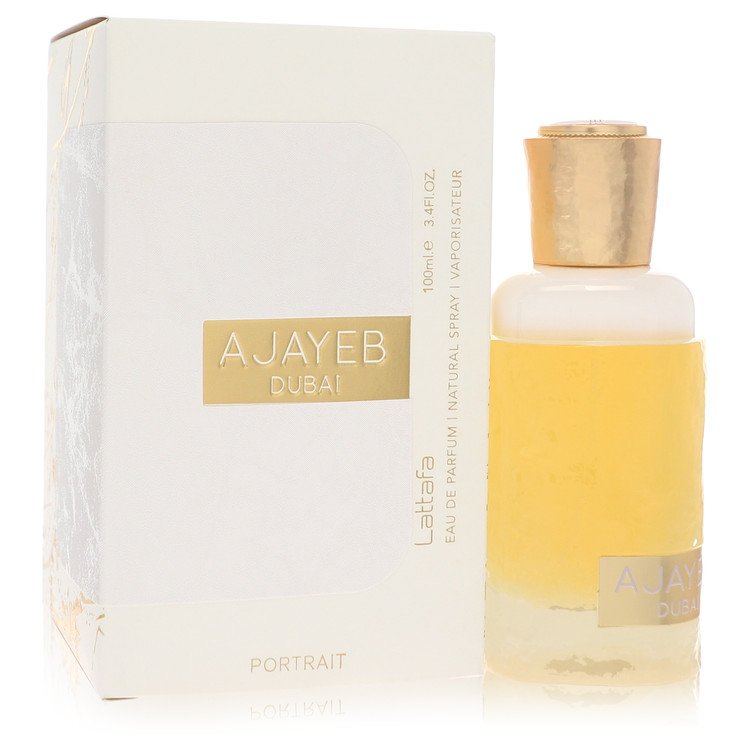
Lattafa Ajayeb Dubai Portrait
Lattafa Perfumes · Eau de Parfum (EDP) · Woody
≈ $16

Interlude Man
Amouage · Eau de Parfum (EDP) · Woody
≈ $395 · 100ml
Most "oud" fragrances aren't lying, exactly — they're translating something genuinely difficult into something wearable. The honest ones tell you which side of that trade they made.
How to actually try it
If you're new to oud, don't start with an expensive niche release and don't start with raw oud oil either — both are likely to either underwhelm you or overwhelm you, and neither will teach you much about the range. Start with something honest about what it is: a cheap Middle Eastern attar like Golden Sand costs almost nothing and gives you a real, if sweetened, sense of the resinous-base register oud sits in. From there, try a mainstream Western oud like Oud Wood to hear how far synthetic accords can civilise the note, then work toward a rose-oud pairing like Oud Ispahan, and only then toward something genuinely oud-forward like Interlude Man or a proper Hindi or Cambodi attar oil bought from a specialist. Building up in that order means each step makes more sense than the last, instead of one shock that puts you off the whole category.
The honest summary: oud is one of perfumery's most genuinely complicated materials, expensive for reasons that have nothing to do with marketing, and worth trying properly rather than taking any one bottle's word for what it "is." Most "oud" fragrances you own are approximations, some more honest than others — and that's fine, as long as you know that's what you're wearing.